Brain Fog Diet: What to Eat, What to Avoid, and When Food Is Not the Cause
Food is worth checking when brain fog keeps showing up after meals, skipped meals, wheat, alcohol, gut symptoms, or default processed food. It is not worth turning every meal into a suspect. This guide helps you decide when food is likely enough
to test, what to remove first, and when to stop blaming the plate.
Prepared by the editorial desk. Clinically reviewed by Dr. Alexandru-Theodor Amarfei, M.D.
Food isn't always the cause. When it is involved, a simpler plate makes the answer easier to read.
Food first
Meals that make the diet real
A brain fog diet page has to show breakfast, lunch, dinner, and shopping before it turns into theory.
These are normal meals with enough protein, tolerated plants, steady fats, and fewer sweet or ultra-processed defaults.
15 min · Dinner
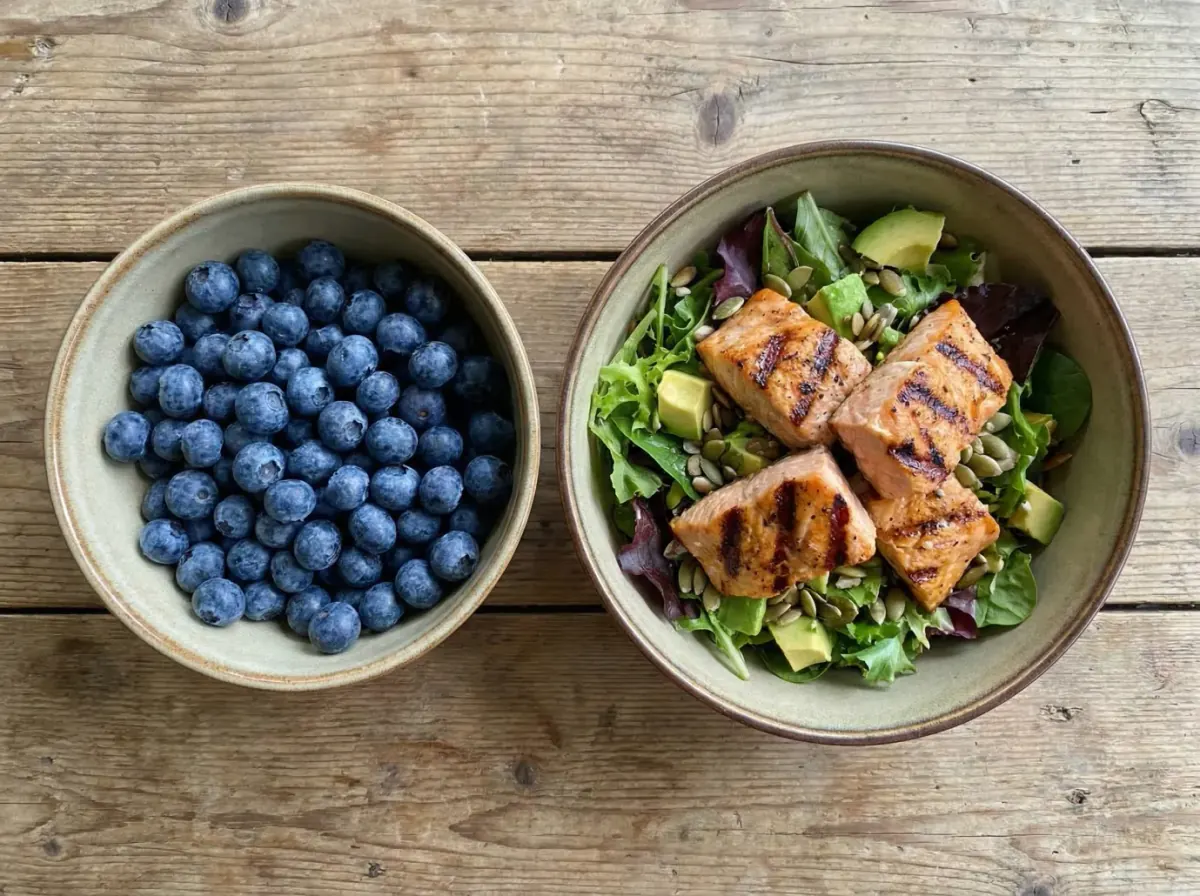
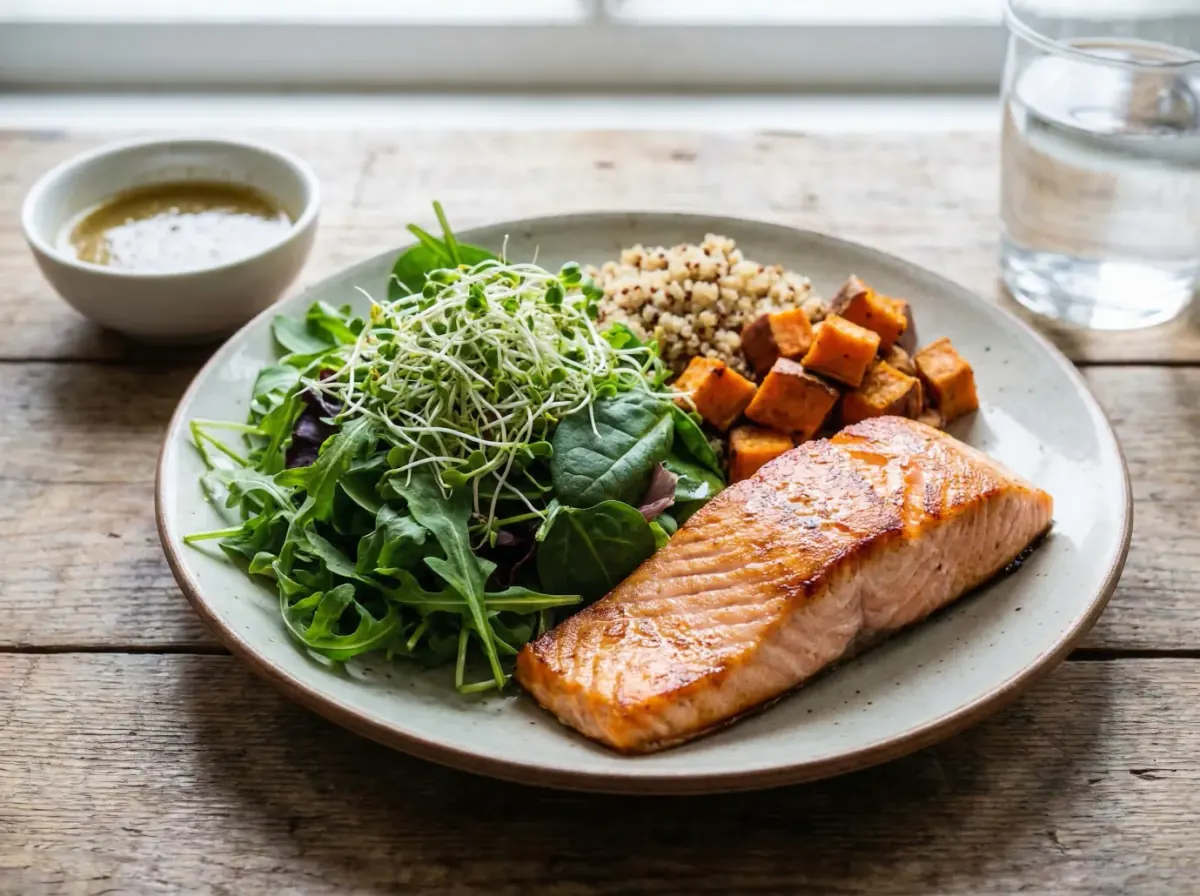
Wild salmon clarity bowl
Dinner needs to be steady, protein-forward, and not packed with too many new variables.
Salmon, sardines, trout, or another low-mercury oily fish
Leafy greens plus broccoli sprouts or cooked crucifers
Olive oil, lemon, herbs, and a plain carb such as sweet potato, rice, or quinoa if needed
Histamine week: use fresh-cooked fish only and do not keep leftovers.
5 min · Breakfast
Blueberry brain smoothie
Breakfast needs to be fast, but cereal, juice, or a banana-heavy smoothie means brain fog later.
Blueberries or mixed berries
Protein from Greek yogurt, kefir if tolerated, tofu, collagen, or a plain protein powder
Spinach, chia, ground flax, nut butter, or avocado to slow the drink down
Sugar-crash week: go heavier on protein and lighter on banana, juice, honey, or sweetened milk.
10 min · Lunch
Broccoli sprout salad
Lunch is usually bread, snacks, or leftovers, and you want one crisp meal built around greens and protein.
Broccoli sprouts or finely chopped broccoli
Leafy greens, cucumber, herbs, pumpkin seeds, and olive oil
Chicken, salmon, eggs, tofu, or another tolerated protein
Gut-sensitive week: use cooked broccoli or smaller sprout portions if raw crucifers bloat you.
10 min active · Anytime
Gut-healing bone broth
Appetite is low, digestion is noisy, or a full meal feels too heavy, but skipping food makes the day worse.
Broth or stock as the base
Chicken, turkey, tofu, eggs, or another protein you tolerate
Cooked greens, carrots, rice noodles, potatoes, ginger, or herbs
Histamine week: avoid long-simmered or leftover broth and use a fresh simple soup instead.
When food is worth testing
Fog repeats after eating
Meals, skipped meals, wheat, alcohol, gut symptoms, sweet drinks, or processed defaults keep showing up in the same story.
Where to start
Clear the noisy foods first
Sweet drinks, alcohol, ultra-processed meals, refined snacks, and constant grazing make the first week harder to read.
When to stop blaming food
No change means move on
If the first pass changes nothing, sleep, thyroid, iron, B12, medication, migraine, POTS, hormones, and mood move higher.
This first week is meant to be calmer, not perfect: protein at meals, fewer different snacks, and enough ordinary food that cutting foods out doesn't become the experiment.
DayFood spineWhy it is here
Day 1eggs, chicken, salmonA clean first day: protein at every meal, vegetables, olive oil, and no sweet-drink or snack noise.
Day 2berries, sardines, beefA higher-omega-3 day with a smoothie, fish at lunch, and a simple dinner that still has a gut-friendly swap.
Day 3oats, fresh greens, roast chickenThis day has steadier carbs. It's useful if eating very low-carb makes your brain fog worse.
Day 4omelette, soup, white fishA lighter day built around cooked food, fresh herbs, and a dinner that is easy to simplify.
Day 5sweet potato, salad, lambA more filling day for people who crash when meals are too small or too snack-like.
Day 6berry bowl, turkey wraps, codA lower-effort day: simple breakfast, handheld lunch, and fish dinner without turning the diet into punishment.
Day 7cooked breakfast, broth, salmonA reset day with warm food, greens, and one more fresh-fish dinner before you judge the week.
Shopping list
Shop to simplify the week
A good diet page helps someone shop with brain fog. Keep the basket boring enough that the plan survives Tuesday.
Protein
Eggs (2 dozen)
Chicken thighs & drumsticks (1.5 kg)
Salmon fillets (4 portions)
White fish - cod/haddock (2 portions)
Grass-fed beef mince or stewing steak (500g)
Lamb shoulder or leg (500g)
Turkey breast (300g)
Tinned sardines (2 tins) (not Histamine)
Vegetables
Spinach / rocket (2 bags)
Kale (1 bunch)
Broccoli (2 heads)
Cauliflower (1 head)
Courgette (3)
Sweet potatoes (6)
Carrots (1 bag)
Celery (1 bunch)
Cucumber (2)
Pak choi (2)
Asparagus (1 bunch)
Green beans (300g)
Beetroot (3) (not Histamine)
Red onion (3) (not Gut-Wrecked)
Garlic (1 bulb) (not Gut-Wrecked)
Fresh ginger root
Mixed salad leaves (2 bags)
Radishes (1 bunch)
Mushrooms (200g) (not Gut-Wrecked)
Bell peppers (2) (not Inflamer)
Tomatoes (4) (not Histamine/Inflamer)
Fresh herbs: thyme, rosemary, basil, chives
Fruit
Blueberries (2 punnets)
Mixed berries / frozen berries (1 bag)
Bananas (4)
Apples (4)
Lemons (4)
Avocados (3) (not Histamine)
Medjool dates (small pack)
Pantry
Extra virgin olive oil
Coconut oil
Avocado oil (for high-heat cooking)
Coconut milk (2 tins)
Coconut cream (1 tin)
Almond butter
Tahini
Rolled oats (GF certified)
Brown rice (1 bag)
Quinoa (1 bag)
Rice noodles
GF bread (1 loaf)
Chia seeds · Pumpkin seeds · Sunflower seeds
Walnuts · Macadamia nuts · Brazil nuts · Flaked almonds
Dark chocolate 85%+ (1 bar)
Raw honey
Coconut aminos (soy sauce replacement)
Turmeric (ground) · Black pepper
Coconut yoghurt (not Histamine)
Bone broth (1L or make your own)
Herbal teas (peppermint, chamomile) · Green tea · Coffee
Quick reference
What to eat, and what to clear away first
This list makes the first week less noisy without calling foods good or bad, or making the diet smaller forever.
Build around
Fish, eggs, tofu, or legumes if tolerated: protein makes the meal less chaotic.
Olive oil, nuts, and seeds: steadier fat sources that fit the long-term diet.
Berries, greens, and fiber: MIND-style foods without turning the diet narrow.
Fermented foods only if tolerated: relevant for some gut stories, wrong for histamine weeks.
Clear away first
Sweet drinks: the fastest way to confuse a meal-linked crash.
Ultra-processed meals: too many variables in one package.
Alcohol: it tangles sleep, hydration, gut irritation, and next-day drag together.
Snack grazing: it makes it harder to tell which meal actually mattered.
Foods to build around
Foods worth returning to after the short trial
The long-term diet should get wider, not narrower. These foods matter because they support a steadier, more sustainable
brain-health base without turning every meal into a restriction exercise.
Fatty fish
Salmon, sardines, mackerel
Fish belongs here because it is part of the strongest long-term eating styles for brain health, even though supplementation trials alone show mixed cognitive results.
Best use
Aim for 2 to 3 servings weekly if tolerated and practical.
Watch for
Use low-mercury fish such as salmon, sardines, trout, or mackerel. Histamine weeks mean fresh-cooked fish only, not leftovers.
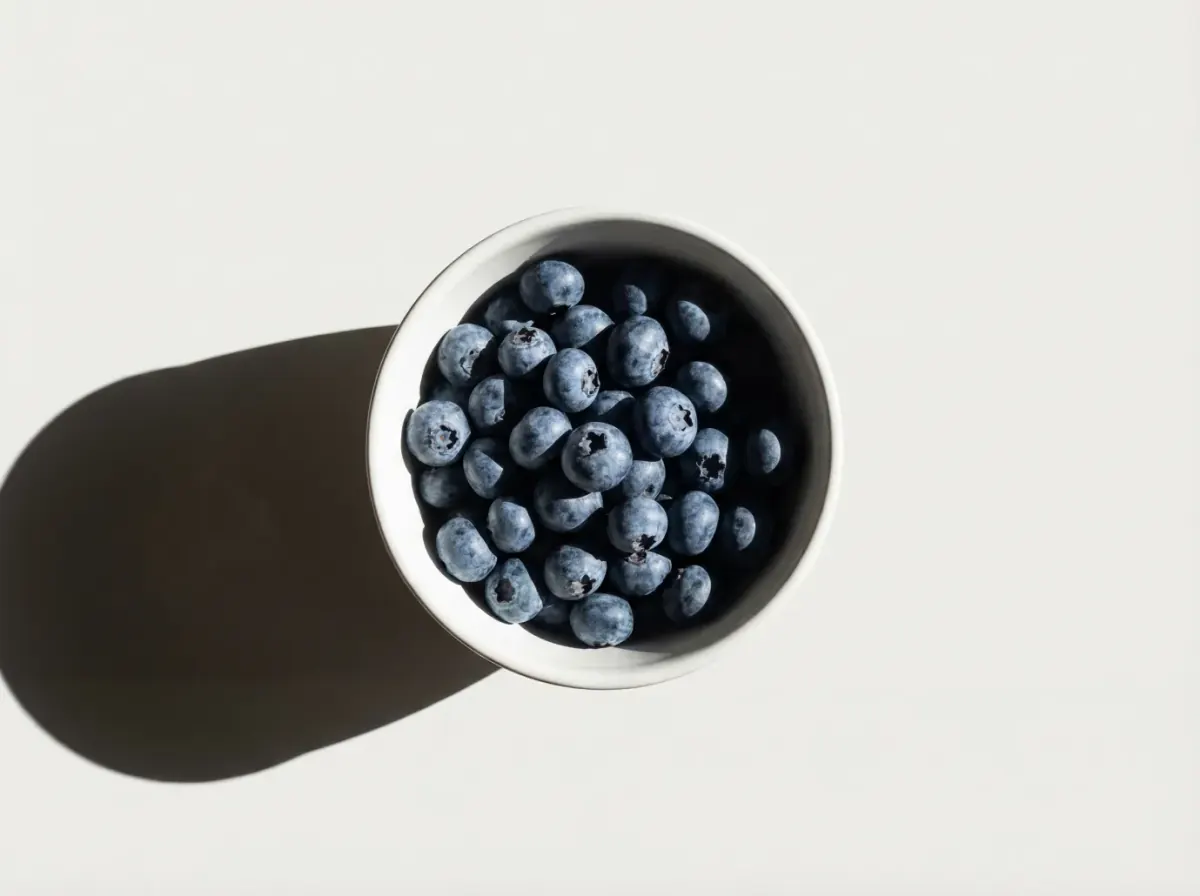
Blueberries and other berries
Anthocyanin-rich fruit
Berries fit the MIND diet for a reason. They are one of the cleaner whole-food ways to add polyphenols without a sugar hit that overwhelms the rest of the meal.
Easy use
Use a handful to 1 cup in yogurt, oats, or a protein smoothie.
Watch for
If you crash after fruit, pair berries with protein or fat and avoid juice, honey, or a banana-heavy smoothie.
Extra virgin olive oil
Default fat, not a garnish
It's the best-supported main fat for cooking and dressing in a brain-health diet, especially after cutting back on highly refined oils and ultra-processed foods.
Kitchen role
Use as the default dressing and low-to-medium heat cooking fat. Some Mediterranean-style plans use roughly 2 to 4 tablespoons a day across meals.
Watch for
That amount is a cooking habit you can adjust. Use less if reflux, gallbladder symptoms or trouble digesting fat flare up.
Leafy greens
Kale, spinach, chard, arugula
Greens are one of the strongest overlap foods between this diet, Mediterranean eating, and the MIND diet.
Practical target
Aim for one to two servings daily, cooked or raw depending on tolerance.
Watch for
Cook them if raw greens bloat you. If you take warfarin or have kidney-stone advice, keep the amount consistent and check the medical context.
Walnuts and mixed nuts
Polyphenols, fats, and satiety
Nuts make meals slower, steadier, and easier to maintain. They also fit the broader maintenance diet after the short trial is done.
Snack rule
Use a small handful with meals or snacks, and skip grazing from the bag.
Watch for
If nuts trigger reflux, migraine, histamine-style symptoms, or binge/graze eating, do not force them. Seeds or olive oil may be cleaner.
Green tea
L-theanine plus a gentler caffeine profile
Green tea can be a cleaner step-down drink for people whose coffee habit is creating more jitter and sleep debt than benefit.
Timing
Use 1 to 3 cups in the morning or early afternoon, not as a 6pm rescue.
Watch for
It still contains caffeine. If anxiety, reflux, palpitations, or insomnia are already there, treat it like caffeine, not medicine.
Fermented foods
Kefir, sauerkraut, kimchi, yogurt if tolerated
Fermented foods can improve microbiome diversity and inflammatory markers, but they aren't for every profile. Skip them during histamine testing.
Tolerance check
Start with a small serving daily if histamine isn't the story.
Watch for
If leftovers, wine, aged cheese, or fermented foods already cause flushing, itching, headaches, or brain fog, this is the wrong place to start.
Prebiotic high-fiber vegetables
Artichoke, leek, asparagus, onion, garlic if tolerated
These foods matter because they feed bacteria that produce short-chain fatty acids such as butyrate, which helps connect the gut story to the brain story.
Go slowly
The broad target is higher fiber over time, often around 25 to 30 g daily, but build toward it slowly.
Watch for
If IBS, SIBO, bloating, or pain are active, more fiber can make the day worse. Start low or use the low-FODMAP route first.
Eggs and other choline-rich foods
Accessible acetylcholine support
Eggs are among the easiest ways to add choline, which helps your brain make acetylcholine for attention and memory.
Food-first option
Use eggs, soy foods, or clinician-guided choline support when intake is clearly low.
Watch for
If you skip eggs or animal foods, you'll need to plan for choline. Use soy foods, fish if you eat it, or a plan from a dietitian.
Interesting add-on
Turmeric
Curcumin-rich spice
There's a plausible way curcumin could work, and the human evidence is growing. Treat it as an optional extra for now.
Food-level use
Use food-level turmeric, about 1/2 teaspoon in cooking or a latte, with black pepper and a fat source.
Watch for
Use food amounts, not supplement-dose curcumin. If you take blood thinners, have gallbladder problems or are preparing for surgery, leave turmeric supplements out of this plan and ask a clinician.
Interesting add-on
Broccoli sprouts and crucifers
Sulforaphane and Nrf2 support
Broccoli sprouts hold much more of the compound that becomes sulforaphane than mature broccoli does. They also fit easily into anti-inflammatory eating.
Food-level use
Use raw sprouts in salads or bowls; add mustard powder to cooked crucifers if desired.
Watch for
Raw sprouts and crucifers can be rough on sensitive guts. Use cooked broccoli or smaller portions if they bloat you.
Choose the right food approach
Elimination is for triggers. Anti-inflammatory eating is for the rebuild.
People often blur these two ideas. Elimination asks whether one food group keeps bringing the same brain fog back.
Anti-inflammatory eating asks what your normal diet should look like once the trigger is clearer.
Short-term test
Use elimination when one food group keeps looking suspicious
It's for repeatable food reactions: wheat, dairy, aged foods, alcohol, high-FODMAP foods, sugar-heavy meals, or a meal that brings the same brain fog back more than once. The job is not to eat less. The job is to make the food story simple enough to read.
Remove the likely confounders for a short window, then bring one food group back at a time.
Use anti-inflammatory eating when the whole diet has drifted
Use this when your usual diet has slipped: too little fiber, fish and produce, too many ultra-processed meals, or meals that feed you but never keep you steady all day. Aim for a better everyday diet that's still varied.
Rebuild around Mediterranean or MIND-style staples after the trigger question is clearer.
If neither changes anything, stop making the diet smaller
That is not failure. It means every meal no longer has to stand trial. Sleep, thyroid, iron, B12, medication effects, migraine, POTS, hormones, mood, or another cause may fit better.
Use food results to stop cutting foods, not to keep cutting them forever.
If the short trial helps, bring back one food group at a time, use a normal portion, and give it about 72 hours.
Watch for returning brain fog, gut symptoms, headache, fatigue, sleep disruption, flushing, itch, or mood shift. Do not stack
three reintroductions and then try to guess which one mattered.
Days 1 to 7
Remove the obvious confounders
Added sugar, alcohol, sugary drinks, ultra-processed meals, and refined snack foods are the first things to clear away.
Days 8 to 14
Repeat the meals that feel easiest
This is where the question gets cleaner: are mornings, crashes, digestion, or caffeine rescue changing at all?
Days 15 to 21
Bring one food group back
Wheat, dairy, high-FODMAP foods, alcohol, or aged foods only matter if the same problem returns in a repeatable way.
Food-linked brain fog
When food might be part of the problem
These common meal reactions tell you where to look first, but they aren't diagnoses. If terms like histamine,
low-FODMAP, or
gut-linked fog are new, use those explainers before you
remove half your diet.
Meal crash
Blood sugar swings
Brain fog comes later: shaky, heavy, hungry, or suddenly useless after a sweet or refined-starch meal.
Wheat question
Gluten or celiac
Brain fog appears with wheat, gut symptoms, headaches, iron issues, or a repeatable meal reaction.
Leftovers and aged food
Histamine-style reactions
Brain fog hits with flushing, itching, headaches, reflux, alcohol sensitivity, or worse reactions to older food.
Bloat and pressure
Gut fermentation
The brain part is hard to separate from gas, distension, reflux, constipation, diarrhea, or IBS-style swings.
Flares
Food reactivity
Food seems tangled with pain, fatigue, immune flares, or a body-wide reaction bigger than one bad meal.
Default meals
Ultra-processed food
The issue may be the everyday default: snacks, sweet drinks, alcohol, and meals that leave no clean read.
Profile
The sugar crasher
After-meal brain fog, energy crashes mid-afternoon, cravings for carbs/sweets, shakiness if you skip meals.
First move
Use protein-first meals, reduce refined carbs eaten alone, and watch what happens 2 to 4 hours after meals.
Brain fog 30–90 minutes after wheat, rye, barley, or beer. Bloating. Joint pain. Possibly headaches.
First move
If wheat clearly worsens your brain fog, test for celiac first if it's plausible. Then run one strict gluten-free trial before quitting gluten forever.
Brain fog worsens 1-4 hours after sugar or white flour. 'Hungover without drinking' feeling. Recurrent thrush or yeast infections. History of antibiotics or PPIs. Intense sugar cravings.
First move
Take this seriously when brain fog appears with sugar, bread, alcohol, bloating, recurrent thrush or yeast infections, recent antibiotics, or long-term PPI use. It still needs proper rule-outs because Candida, SIFO, SIBO, histamine, and food sensitivity can look similar.
Food is a stronger suspect when brain fog appears with bloating, reflux, gas, diarrhea, constipation, flushing, itchiness, headaches, or a clear delayed reaction after a meal. That doesn't prove food is the root cause. It means the gut-brain
connection deserves a closer look before you start guessing from a generic food list.
IBS-style brain fog
A 2025 low-FODMAP intervention in IBS looked beyond gut symptoms and reported improvements in fatigue and attention. So it's relevant when brain fog and gut symptoms happen together.
Wheat suspicion
Wheat can be worth testing when the same meal also brings bloating, diarrhea, headaches, iron issues, or clearly repeated brain fog. Celiac testing comes before long-term gluten removal when celiac is plausible.
Histamine-style reactions
Leftovers, aged foods, alcohol, fermented foods, flushing, itch, and headaches can point in this direction. The evidence is not strong enough to make histamine the answer for everyone.
Caffeine and brain fog
Caffeine is a double-edged tool
Caffeine can improve alertness in the short term, but it can also become the patch for sleep debt, dehydration, and blood
sugar volatility. During Week 1, reduce to one morning dose or swap part of the habit to green tea instead of quitting
abruptly and confusing the week with withdrawal headaches.
Do not let a food trial become a lifestyle by accident
A short trial only earns its place if it tells you something: crashes reduced, gut symptoms shifted,
mornings changed, or nothing changed at all. If the answer is nothing, the next move is not a narrower diet.
First pass
Strip
Remove added sugar, ultra-processed food, alcohol, sugary drinks, and highly refined snack foods first. Reduce caffeine without quitting cold turkey.
Watch For
Headaches, cravings, energy crashes, bowel changes, and whether meals feel more predictable by the end of the week.
Second pass
Stabilize
Repeat the meals that felt easiest on your body, add tolerated whole foods, and avoid changing six things at once because the internet suggested more.
Watch For
Better mornings, fewer crashes, calmer digestion, and whether meals still look involved after the week settles.
Third pass
Reintroduce
Bring one food group back at a time. If wheat, dairy, high-FODMAP foods, alcohol, or aged foods clearly brings back the same problem, that beats guessing forever.
Watch For
Delayed reactions, sleep disruption, return of bloating or flushing, and whether the effect repeats.
Timeline
How long until diet changes help brain fog?
If food is involved, the first changes people often notice are practical: fewer crashes after meals, calmer digestion, steadier mornings, or less need for caffeine in the afternoon. If a reasonable first try changes nothing, stop cutting foods out and look elsewhere.
If nothing at all changes after a few structured weeks, that matters too. It lowers the odds that food is the primary driver and pushes sleep, thyroid, medication, iron,
autonomic dysfunction, or mood higher on the list. At that point, the stronger next click is usually
medical rule-outs or the broader
cause library, not another random food removal.
When food is not enough
What to check when meals still look involved
A diet page should not trap someone in diet. If the same meal reaction keeps repeating, these are the next sensible checks.
If meals stop looking involved, move out to broader rule-outs.
What to remove first, before the diet gets complicated
Start with foods and drinks that blur the result for many people. Do this before removing long lists of vegetables,
grains, dairy, nightshades, histamine foods, or supplements.
Added sugar and sweetened foods
If a meal is mostly sugar or refined starch, the brain often pays later. This is the cleanest first removal for people who crash mid-morning or mid-afternoon.
Swap
Use berries, fruit paired with protein, or a protein-first breakfast instead of pastries, cereal, and sweet snacks.
Ultra-processed foods
The stronger evidence says ultra-processed meals crowd out fiber, good-quality protein, vitamins and minerals, and steady energy. No single ingredient explains everything.
Swap
Build around simple proteins, vegetables, fruit, legumes if tolerated, oats, potatoes, rice, and olive oil.
Highly refined cooking oils
This page doesn't treat seed oils as a standalone toxin story. The better-supported step is to reduce highly refined oils found in ultra-processed food while favoring extra virgin olive oil and other less-refined fats.
Swap
Use extra virgin olive oil as the default, with avocado oil or coconut oil when the cooking context fits.
Alcohol during a food trial
It can worsen next-day brain fog through sleep disruption, dehydration, gut irritation, and each drink's direct effect. During a short food trial, it adds confusion you do not need.
Swap
Use sparkling water, tea, or a salt-and-citrus mocktail if the ritual matters.
Sugary drinks and energy drinks
Sugary drinks can spike blood sugar fast. Energy drinks add a stimulant, and then you can hardly tell what's affecting you.
Swap
Replace with water, unsweetened tea, coffee before noon, or electrolytes when dehydration is in the picture.
Sugar and brain fog
Why a sweet meal can feel fine first, then cost you later
The important part is the delay. If brain fog, cravings, shakiness, or a heavy afternoon follows a sweet drink, pastry, cereal, or refined snack, the first question is meal structure, not willpower.
First
Fast rise
Liquid sugar and refined starch can hit quickly, especially when eaten without protein, fat, or fiber.
Then
Harder crash
Brain fog may show up later as hunger, tiredness, irritability, cravings, or needing caffeine to recover.
Hidden places
Sugar beyond dessert
Juice, sweet coffee, granola, sauces, cereal, and snack bars can make the day harder to read.
Nutrient gaps
Micronutrients that quietly change how this diet works
Food quality matters, but so do the quiet nutrient gaps that make a “healthy” diet feel strangely ineffective. If the
food trial lowers the obvious confounders but energy, focus, or resilience still stay flat, these are the next nutrition angles worth
checking before piling on more restriction. This is where it makes more sense to hand off to
supplements or
rule-outs than to keep tightening the diet.
Choline
Matters for acetylcholine, attention, and memory. This is one of the biggest quiet gaps in lower-protein or egg-free diets.
Food Sources
Eggs, salmon, chicken, soy foods, shiitake, liver if used.
When this matters
Vegetarian or vegan intake is low, you avoid eggs, or “wired but blank” focus issues persist.
These approaches are not enemies. The brain fog diet is best understood as a short food-linked decision phase that often rebuilds
toward a MIND-style or Mediterranean-style maintenance diet once personal reactions are clearer. If you already know the
trigger phase matters less than the long-term eating structure, go straight to
the Mediterranean-MIND guide.
Plan
Best for
Strengths
Caveats
Brain Fog Diet
People who suspect specific trigger foods but still want a structured, evidence-based food base.
Short elimination phase, symptom checks, reintroduction, profile matching.
More restrictive at the start and easier to overdo without a clear endpoint.
MIND Diet
Long-term cognitive protection and a sustainable maintenance diet.
Strongest brand recognition for brain-health eating; emphasizes greens, berries, fish, nuts, and olive oil.
Less helpful when the immediate question is “which food is triggering my fog right now?”
Mediterranean Diet
General anti-inflammatory and cardiometabolic support with broad evidence.
Flexible, sustainable, and strongly aligned with overall health outcomes.
May not identify individual gluten, histamine, or gut-linked reactions by itself.
Latest research to watch
Interesting newer studies worth knowing about
These studies help separate the strongest moves from the interesting side quests.
Brain fog nutrition now has direct papers, but the evidence is still young
The 2025 cross-sectional study and 2026 review support diet, sleep, mood, and gut health as linked parts of the brain fog picture. They don't prove that one diet fixes every case.
Ultra-processed food is the cleanest modern first removal
The newer cognition papers make this a better first move than chasing one exotic trigger. It is practical, broad, and less likely to become a forever restriction identity.
MIND and Mediterranean eating remain the best long-term base
After the short food trial, the best long-term shape is usually not a narrow elimination diet. It is a broader brain-health eating style with greens, berries, fish, olive oil, nuts, fiber, and fewer ultra-processed foods.
Low-FODMAP has newer symptom-adjacent evidence, but it is not a forever diet
The 2025 IBS intervention looked beyond gut symptoms and included fatigue and attention. That makes it relevant here, but only for brain fog with IBS-style symptoms.
Curcumin, sulforaphane, and fasting are secondary questions
These are interesting, but they should not sit above the basics. The curcumin evidence is mixed, and fasting is a bad fit for anyone at risk of restrictive eating.
Daily support
Meal Timing for Brain Fog
Keep the eating window consistent, put more protein earlier in the day, and avoid turning late-night snacking into part of the test window. Meal timing matters because glucose control and sleep quality are tightly linked.
•Keep caffeine before noon whenever possible.
•Finish the last full meal at least 3 hours before bed.
•Eat protein and fiber early in the day if brain fog often follows breakfast or lunch.
Daily support
Morning and Evening Non-Negotiables
Food changes are clearer when the rest of the day is steady. Morning light, hydration, and calmer evenings make it less likely you blame dinner for what caffeine, sleep debt, or late snacking did.
•Drink water early and eat deliberately instead of chasing symptoms with caffeine alone.
•Do a short walk after the largest meal when blood sugar swings are already in the picture.
•Keep evening alcohol, random snacking, and energy drinks out while testing.
Fluid status
Hydration and brain fog
Even mild dehydration can worsen attention, working memory and tiredness before you feel very thirsty. This matters more during elimination weeks, because people often cut sugary drinks and alcohol at the same time. If you also get dizzy, feel worse when standing, sweat heavily or have diarrhea, low fluids and electrolytes (body salts) may explain changes you'd otherwise blame on food. If dizziness keeps coming back more often than gut trouble, go to POTS and orthostatic intolerance instead of blaming food for everything. If brain fog gets worse 12 to 72 hours after effort, not around meals, check Long COVID and ME/CFS before cutting more foods. Then pacing usually matters more than what you eat.
The long-term version should look normal: protein, tolerated plants, olive oil, berries, fish or plant alternatives,
and meals simple enough that you can tell what changed.
Protein-first meal
Useful when breakfast or lunch is where the crash starts.
Lower-glycemic breakfast
Berries work best when the rest of the meal is not dessert in disguise.
Mediterranean-style base
The long-term version is wider and easier to live with than a permanent elimination diet.
FAQ
Brain fog diet FAQ
How long does it take for diet changes to help brain fog?
If food is involved, some notice the first change within days: fewer post-meal crashes, steadier mornings, or less gut-linked brain fog. If the first pass changes nothing, that also matters. It tells you not to spend months blaming dinner.
Can food sensitivities really cause brain fog?
Sometimes. The narrower question is whether brain fog repeatedly appears with gut symptoms, wheat exposure, flushing, headaches, bloating, itching, reflux, or delayed post-meal worsening. If yes, a short structured trial can give a cleaner answer. If no, permanent restriction is usually the wrong first move.
Is the brain fog diet the same as the Mediterranean or MIND diet?
Not exactly. A brain fog diet is a short decision guide for food-linked brain fog. The maintenance diet often looks closer to MIND or Mediterranean eating: olive oil, fish, greens, berries, nuts, fiber, and fewer ultra-processed foods.
What should I eat for breakfast if I have brain fog?
If brain fog follows breakfast, start with a breakfast that doesn't behave like dessert. Eggs, Greek yogurt if tolerated, tofu scramble, chia pudding with added protein, or leftovers plus fruit usually gives a cleaner read than pastries, cereal, or juice alone.
Can dairy cause brain fog?
For some people, yes, but test it before you blame it. If milk, yogurt, cheese, or cream keeps showing up before brain fog, gut symptoms, headache, flushing, or congestion, remove it briefly and bring it back by itself. One messy meal doesn't justify dropping all dairy forever.
Does caffeine help or hurt brain fog?
It can do both. Low-to-moderate caffeine can sharpen attention for a while. Heavy or late-day use can hurt sleep and cause the same next-day brain fog you're using it to fix. During Week 1, cut down to one morning dose instead of quitting all at once.
Do I need to remove gluten even if I don't have celiac disease?
Not automatically. If the repeat includes bloating, diarrhea, iron deficiency, headaches, or clear worsening after wheat-based meals, a short gluten-free trial may be reasonable. But whenever celiac is plausible, test for it before cutting out gluten long term.
Are seed oils the problem?
The evidence is stronger for reducing ultra-processed food than for claiming seed oils alone are the root cause of brain fog. In practice, prioritizing extra virgin olive oil and simpler meals captures the more defensible move.
What if I'm vegetarian or vegan?
The food trial can still work, but protein, iron, B12, zinc, and choline need more deliberate planning. Use tofu, tempeh if tolerated, lentils if tolerated, edamame, pumpkin seeds, algae-based omega-3, and regular B12 support instead of assuming the same plan works unchanged.
When should I involve a clinician or dietitian?
Bring one in early if you have unintentional weight loss, GI bleeding, severe food restriction, pregnancy, diabetes medication, eating-disorder history, suspected celiac disease, or no meaningful improvement after a few structured weeks. Diet is easiest to overdo when the problem is actually sleep apnea, thyroid disease, depression, medication burden, POTS, migraine, or another non-food cause.
We built this page from WBF cause-page research, PubMed papers, clinical references where tests or red flags are involved, and medical review. The short version here is meant to guide the first food decision. The deeper trails live on the linked cause
and test pages.