WBF What is
brain fog?
Support WBF Take quiz
← What to do for brain fog

Brain fog and hormones:
What actually helps?

Compare routines, supplements and medical treatments for brain fog linked to menopause, thyroid disease, PCOS, PMS and PMDD, low testosterone, cortisol and adrenal disorders.

Hormone protocols by condition.

At-home protocols

Routines, supplements and exercise ideas.

Testosterone protocol

Six ways to address low testosterone, and what each approach can actually do.

A low testosterone result may be temporary, or it may come from a problem in the testes, pituitary or hypothalamus. Not eating enough, higher body fat, some medicines, illness, anabolic steroids and testosterone use can all lower the level. Most guideline evidence here concerns men. What to do next depends on why testosterone is low.
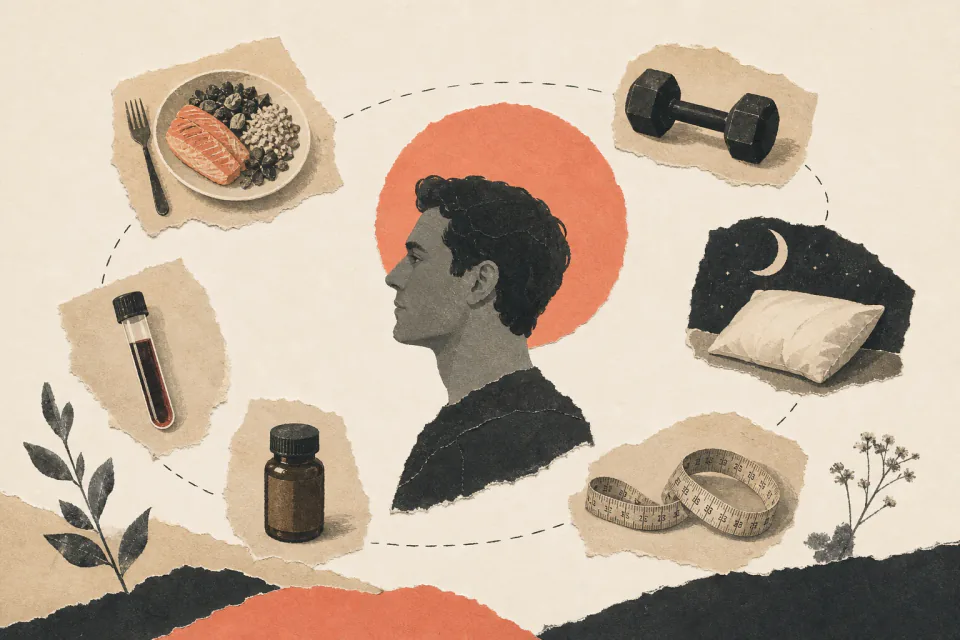
A paper collage connecting food, strength training, sleep, body composition, medicine review and a blood test
Six ways. From food and sleep to medical treatment.

Pick the approach that matches your situation.

1

Eat enough for your training

Try this

If you train hard, skip meals or are losing weight quickly, spend a few weeks eating regular meals and pause the rapid weight loss.

What it can change

When food no longer covers training and daily needs, the brain can send less hormone to the testes. In exercising men, LH and testosterone may fall.

2

Reduce excess body fat slowly

Try this

If you have higher body fat, insulin resistance and low testosterone, use a sustainable food plan and resistance training. Lose weight slowly. Crash dieting can lower testosterone further.

What it can change

Higher body fat can disrupt how the brain and testes communicate. When that is lowering testosterone, gradual weight loss is usually the first treatment.

3

Train for strength, muscle and blood-sugar control

Try this

Do at least two full-body strength sessions a week. Use movements such as a squat or sit-to-stand, hinge, push, pull and carry, then progress gradually.

What it can change

Exercise can improve strength, muscle and blood-sugar control. In a meta-analysis of 11 trials, it made little difference to resting testosterone in otherwise healthy men.

4

Get enough sleep and check for apnea

Try this

Keep a regular wake time and allow enough time in bed. Loud snoring, gasping, morning headaches or heavy daytime drowsiness deserve a sleep-apnea assessment.

What it can change

Too little sleep and obstructive apnea can occur alongside low testosterone and can cause fatigue, poor concentration and sexual symptoms. Treating apnea addresses those problems directly. Untreated severe apnea also matters when deciding whether TRT is safe.

5

Review medicines and hormone use

Try this

Ask whether opioids, prescription steroids, anabolic steroids or another medicine could be reducing testosterone production. A prescriber can plan any safe change or taper.

What it can change

These medicines and hormones can reduce signals from the brain, testosterone production in the testes, or both. Dealing with the medicine or hormone that lowered testosterone may help more than adding a booster.

6

Use TRT when tests confirm testosterone deficiency

Try this

If you are considering medical treatment rather than lifestyle changes, go to the testosterone treatment section below.

What it can change

TRT raises testosterone directly instead of trying to restore the body’s own production.

01

How to take thyroid medicine

Take levothyroxine on a fixed schedule.

Before changing the dose, keep food, coffee, supplements and timing steady, since they can affect how much medicine you absorb.

Take it before breakfast

Take levothyroxine in the morning, at least 30 minutes before breakfast or a drink containing caffeine. Use the same time each day.

Separate coffee, calcium, iron and antacids

Ask a pharmacist how long to leave between levothyroxine and these, and your other medicines or supplements.

Keep this timing until the blood test

Keep the same timing until your scheduled blood test so the result reflects your dose.

Why it might help

Food, coffee and several minerals can reduce how much levothyroxine reaches the bloodstream. If the timing varies from day to day, blood results can look as though the dose is wrong.

02

Menopause strength plan

Build strength for daily life.

Strength work can improve physical ability and help preserve muscle and bone after menopause.

Start with two sessions

Use movements such as a squat or sit-to-stand, a hip hinge, a push, a pull and a loaded carry. Start with two comfortable sets and add a little weight or another repetition when the last session felt manageable.

Allow time to recover

Leave at least a day between demanding sessions. During a bad sleep week, still exercise but use lighter weights or fewer sets.

Notice what changes in daily life

Look for more repetitions, a heavier carry, easier stairs or better recovery. Those are the changes this plan aims for.

Why it might help

A systematic review of 12 trials found improvements in physical function and bone density, but rated the evidence low or very low certainty. Build up gradually and choose exercises you can perform safely.

03

Hot-flush night setup

Prepare the bedroom for a hot-flush night.

A hot flush can wake you fully. Preparing the room before bed makes it easier to cool down without bright lights or searching for dry clothes.

Set the room before bed

Lower the room temperature, use breathable layers and place a fan within reach. Keep water and a dry top beside the bed for a quick change in low light.

Use removable layers

Choose bedding that is easy to remove without getting fully out of bed.

Why it might help

NHS menopause advice recommends light clothing, a cool bedroom, a fan and a cold drink to make hot flushes and night sweats easier to manage.

04

PCOS meal and strength plan

Build three balanced meals that are easy to make.

This plan uses ordinary meals and skips short, strict diets.

Balance each meal

Pair the main carbohydrate with protein, vegetables or fruit, and a source of fat. Keep the meals you enjoy and rebalance them before cutting entire food groups.

Choose three easy meals

Pick three breakfasts, lunches or dinners you can make easily. A small, familiar selection makes it easier to notice how they affect hunger, energy and your medicines.

Add strength work

Use two full-body sessions each week and build gradually.

Why it might help

Insulin resistance is common in PCOS. A balanced plate and working muscles can help the body use glucose, while added muscle can improve its response to insulin.

05

Inositol trial for PCOS

Try inositol on its own.

Inositol may improve some metabolic measures in PCOS, but the clinical benefits are limited, and current guidelines don't name a best type, ratio or dose.

Choose one product

Choose a clearly labelled product and skip other new supplements during the trial. Keep to the exact form and amount so you know what you took if it helps or causes a problem.

Stop if it clearly makes you worse

Stop if a new symptom appears or an existing problem clearly worsens after you start it.

Why it might help

The international guideline found possible improvement in some metabolic measures but limited benefit for ovulation, excess hair growth or weight. It doesn't recommend a particular form or dose.

06

PMS / PMDD advance plan

Prepare for difficult days while you feel well enough to plan.

The aim is to protect the hardest part of the month from avoidable pressure.

Mark when symptoms usually begin

Use the last two cycles to estimate when the difficult days usually begin and ease. Put those dates in next month's calendar before it starts.

Move the demanding work

Where possible, schedule presentations, complex decisions and social commitments outside the worst days. Prepare meals and practical tasks early.

Why it might help

Planning ahead saves your energy for commitments you can't move.

07

Five-minute breathing exercise

Calm your body with this five-minute exercise.

A randomized study tested five minutes of daily breathwork for one month. This exhale-focused version needs no equipment.

Take two inhales

Breathe in through the nose, add a second smaller inhale, then let out a long slow exhale through the mouth.

Continue for five minutes

Keep it comfortable and unforced. Stop if you become light-headed.

Check the immediate effect

At the end, are you breathing more slowly? Are you less tense or rushed?

Why it might help

In the study, breathwork improved mood and reduced breathing rate. Cyclic sighing, which emphasizes a long exhale, did better than mindfulness meditation on both.

08

Adaptogen trial

Choose a supplement based on whether stress or fatigue is the problem.

Ashwagandha is commonly sold for stress and sleep. Rhodiola is sold for fatigue, but its study results conflict. Decide what you want to improve before choosing either supplement.

Ashwagandha or rhodiola?

Test a single supplement at a time. Ashwagandha has better short-term evidence for stress and sleep. Rhodiola studies on fatigue are less reliable.

Check medicine interactions

Ask a pharmacist before using ashwagandha with thyroid treatment or other medicines. Stop if it causes a clear side effect.

Why it might help

An ashwagandha meta-analysis found lower cortisol, but people didn't feel significantly less stressed. A rhodiola review found conflicting results and major weaknesses in the studies.

09

Early research: creatine

An eight-week creatine experiment for menopause.

Creatine is better known for muscle. In a small menopause trial, women responded faster on a reaction-time test and showed more creatine in the frontal part of the brain.

Use the tested dose

The trial used 1,500 mg of creatine hydrochloride daily for eight weeks. Researchers haven't tested other forms or doses in the same way.

Decide what improvement to look for

Choose a repeatable task or daily problem to compare before and after. Sleep and expectations can change how you feel from day to day.

The study was small

Only 36 women took part, so larger studies are needed.

Why it might help

Creatine helps cells replenish energy quickly. Researchers are studying whether that extra energy can improve thinking during menopause.

10

Sleep, exercise and growth hormone

Support normal growth-hormone release without chasing a spike.

Growth hormone is released in pulses. A major pulse normally occurs soon after sleep begins, during deep sleep, and hard exercise can cause a temporary rise.

Protect the first stretch of sleep

Allow enough time for sleep and avoid repeatedly cutting the first part of the night short.

Train for fitness, not a hormone spike

Use regular resistance or aerobic exercise to improve fitness. A brief growth-hormone rise after a hard session isn't proof of a lasting hormone change.

Treat a diagnosed deficiency medically

Pituitary growth hormone deficiency needs hormone tests and prescription treatment.

Why it might help

Sleep and exercise affect normal growth-hormone release. Suspected growth-hormone deficiency is a different problem and usually needs stimulation testing before treatment.

Menopause and perimenopause

When menopause blood tests are useful.

Doctors usually identify menopause from age, symptoms and period changes, without a fixed set of hormone tests. A doctor may order one or more of these tests if periods stop unexpectedly or symptoms begin before 45. The tests can also check ovulation or how the ovaries and pituitary work.

A woman sitting beside a window in a menopause and perimenopause guide
Each blood test should answer a specific clinical question.
1

Estradiol

Doctors often check it with FSH for early menopause, ovarian insufficiency (low ovary function) or another cause of missing periods.

2

Progesterone

A sample taken about a week before the expected period can help confirm whether ovulation happened. A random result is harder to interpret.

3

LH

The pituitary gland makes LH. Doctors may read it with FSH and estradiol when periods are irregular or have stopped.

4

FSH

FSH can help when menopause seems early or ovarian insufficiency is possible. One result does not answer every menopause question.

These tests don't all answer the same question. FSH, LH and estradiol may help investigate missing periods or possible early menopause. Progesterone must be timed to the menstrual cycle when the question is whether ovulation happened. Age, symptoms, bleeding changes and current hormone treatment also affect how doctors read the results.

Menopause treatment options

Treat the menopause symptoms that are disrupting daily life.

01

Hormone replacement therapy

HRT is the main treatment for menopause-related hot flushes and night sweats. Estrogen treats the symptoms. People with a uterus usually also need a progestogen to protect its lining. A doctor can adjust the dose or form, such as a patch, gel or tablet, if bleeding, side effects or lasting symptoms are a problem.

02

Menopause-specific CBT

This talking therapy can make hot flushes less distressing and help with the sleep problems they cause. You can use it with HRT, or when HRT isn't wanted or suitable.

03

Non-hormonal medicine

Fezolinetant is now an option in NICE guidance for moderate to severe hot flushes and night sweats when HRT is unsuitable.

04

Review treatment after three months

NICE recommends a review three months after starting treatment and then once a year. The review should cover symptom control, side effects, bleeding and whether the treatment still suits you.

When the cause is confirmed

Medical treatments for confirmed hormone problems.

These are the established options for thyroid disease, testosterone deficiency, PCOS, PMDD and cortisol disorders.
02

Thyroid disease

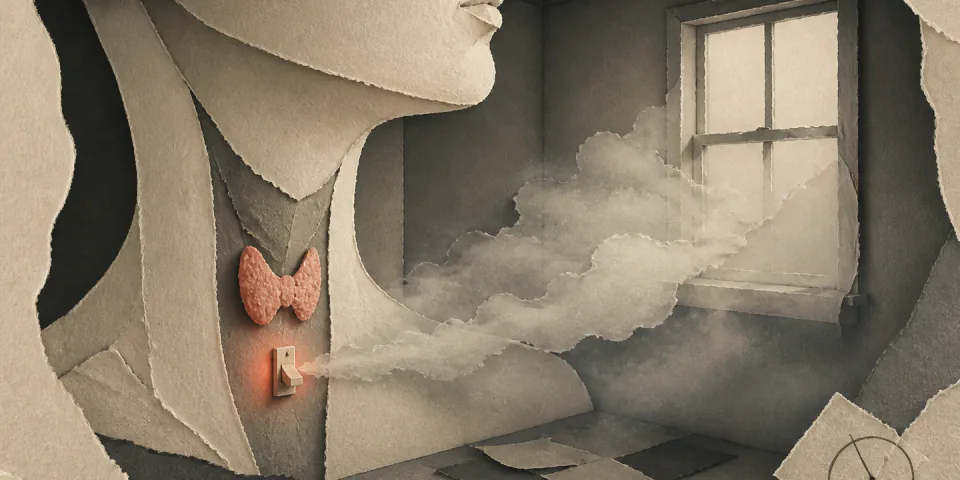
First find out what type of thyroid problem is present and whether the pituitary is involved. Treatment depends on the cause. Recheck symptoms that remain after thyroid levels have stabilised.

1

Confirm the thyroid problem

TSH is usually the first test. Doctors may add free T4, free T3 or thyroid antibody tests depending on the TSH result, symptoms, treatment history and whether they suspect pituitary disease.

2

Treat the thyroid problem

Levothyroxine is the first treatment for primary hypothyroidism (underactive thyroid). Doctors treat hyperthyroidism (overactive thyroid) differently, with antithyroid medicine, radioactive iodine or surgery.

3

Recheck symptoms that don't improve

Symptoms can take weeks or months to improve. When results are stable but thinking remains slow, review dose, absorption, diagnosis and other causes while keeping thyroid levels in range.

03

Testosterone deficiency

Low testosterone is more likely to explain symptoms when other signs of testosterone deficiency are present and more than one blood test remains low.

1

Confirm low testosterone

Diagnosis requires symptoms of testosterone deficiency and consistently low results. Check an initial low result again with an early-morning fasting test. Free testosterone shows the amount not tightly bound to proteins, while SHBG is a protein that carries testosterone. Doctors may test both when total testosterone doesn't explain the symptoms.

2

Find out why testosterone is low

LH and FSH help distinguish a testicular cause from a pituitary or hypothalamic cause. Doctors also consider sleep apnea, obesity, acute illness, opioids, glucocorticoids (prescription steroids), anabolic steroids and pituitary disease before choosing treatment.

3

Choose treatment with fertility in mind

Doctors may treat confirmed testosterone deficiency with testosterone replacement. Taking testosterone can suppress sperm production, so fertility plans matter. Choose a gel, injection or other form and a monitoring plan based on symptoms, blood results, age and fertility goals.

04

PCOS, periods, blood sugar and fertility

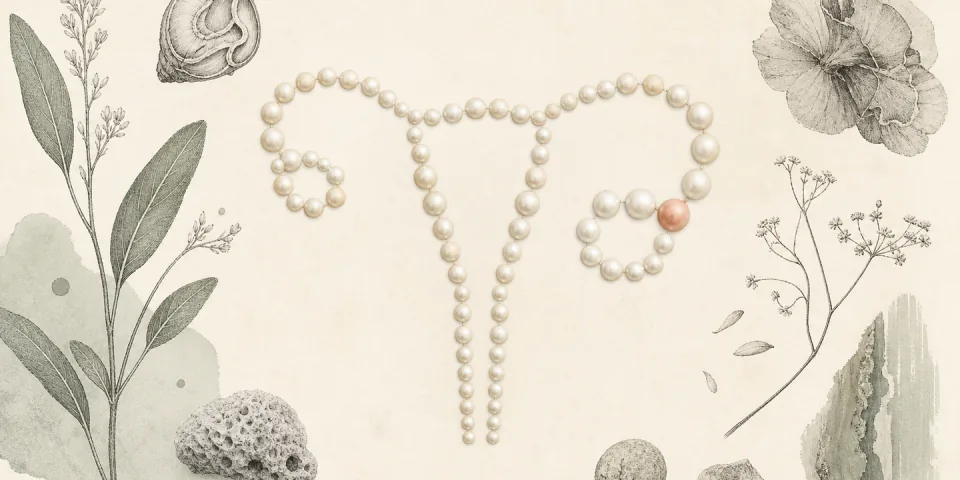
PCOS treatment depends on the main problem: irregular periods, excess hair growth or acne, blood-sugar problems, fertility, sleep or weight.

1

Irregular periods, excess hair or acne

A combined contraceptive pill can help irregular periods or excess hair growth. In some cases, doctors add anti-androgen medicine, which blocks the effects of testosterone-like hormones, alongside reliable contraception.

2

Blood sugar and heart health

Metformin may be used for insulin resistance and related blood-sugar problems. It can also help irregular periods when the combined pill is unsuitable. Doctors may also check glucose, cholesterol, blood pressure and sleep apnea because PCOS affects more than the ovaries.

3

Fertility

When PCOS stops ovulation and doctors find no other cause of infertility, the international guideline recommends trying letrozole first.

05

PMS and PMDD

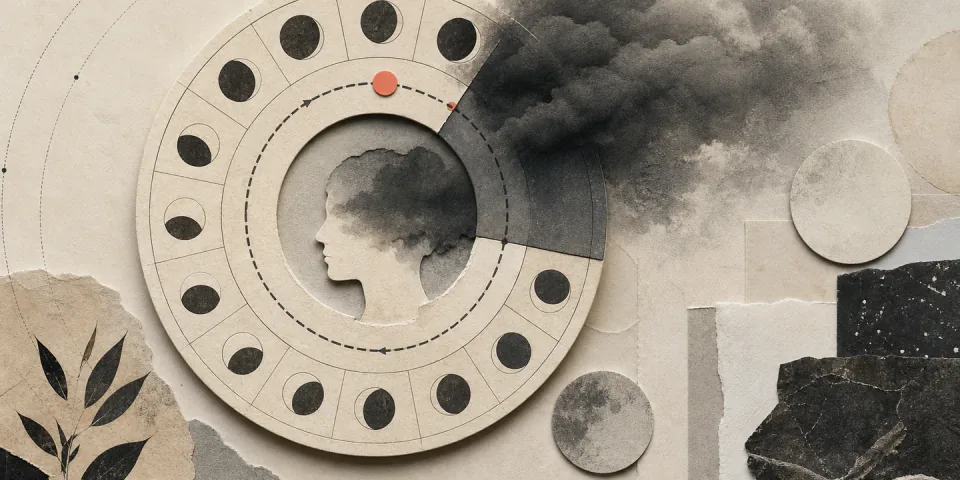
Severe monthly problems with concentration, mood or getting things done can make work and home life much harder. PMDD symptoms usually ease after a period begins, leaving part of the month with fewer symptoms.

1

Confirm the monthly timing

The problems should appear before menstruation and improve after bleeding begins. Two cycles usually show whether this happens each month or continues all month.

2

SSRI antidepressants

SSRIs are a standard treatment for severe PMS and PMDD. A doctor may prescribe them every day or only between ovulation and the next period.

3

Hormonal treatment and CBT

Some combined contraceptive pills help PMS, and CBT is an established treatment. If these don't help enough, a specialist may temporarily stop ovulation.

06

Cortisol and adrenal disorders

Stress can affect sleep, energy and concentration. That's different from adrenal insufficiency, Cushing syndrome or pituitary disease, which have specific tests and treatments.

1

Signs that need testing for low cortisol

Long-term steroid use, low blood pressure, salt craving, weight loss, nausea, skin darkening, low sodium or repeated collapse can be signs of adrenal insufficiency. If you have several of these, a doctor may use blood tests and sometimes a stimulation test.

2

Treatment for adrenal insufficiency

Doctors treat confirmed adrenal insufficiency with replacement steroid medicine. People with primary adrenal insufficiency may also need medicine to replace aldosterone, a hormone that helps control salt and blood pressure. Treatment includes instructions for increasing the dose during illness and an emergency hydrocortisone kit.

3

When cortisol is too high

Worsening muscle weakness, easy bruising, wide purple stretch marks, new diabetes, osteoporosis or fat in unusual places can be signs of Cushing syndrome. Treatment may involve safely reducing steroids or treating a pituitary, adrenal or other cause.

After the trial

Did the treatment or experiment help?

Before you begin: decide what change you want, like fewer night sweats, steadier thyroid treatment, more strength or an easier premenstrual week.

After the trial: keep going only if that change is clear enough to justify the cost, effort and side effects.

Medicine changes need a prescriber.

Try the at-home options yourself. Talk to your doctor before changing prescribed hormones, steroids or blood-sugar medicines. Use the medicine sections to prepare questions.

When to ask for medical help

My Fog

Bring a clear before-and-after story to your next appointment.

Save the change you tried, the result and one question for your doctor.
Open My Fog

Sources

Guidance and papers behind the page