Brain Checks
Eight at-home brain checks for movement, balance, vision and thinking.
Try short tasks based on checks doctors use to examine movement and thinking. Compare your hands, see how closing your eyes affects your balance, and test how easily you find words or switch tasks.
Start here
How to use the brain checks
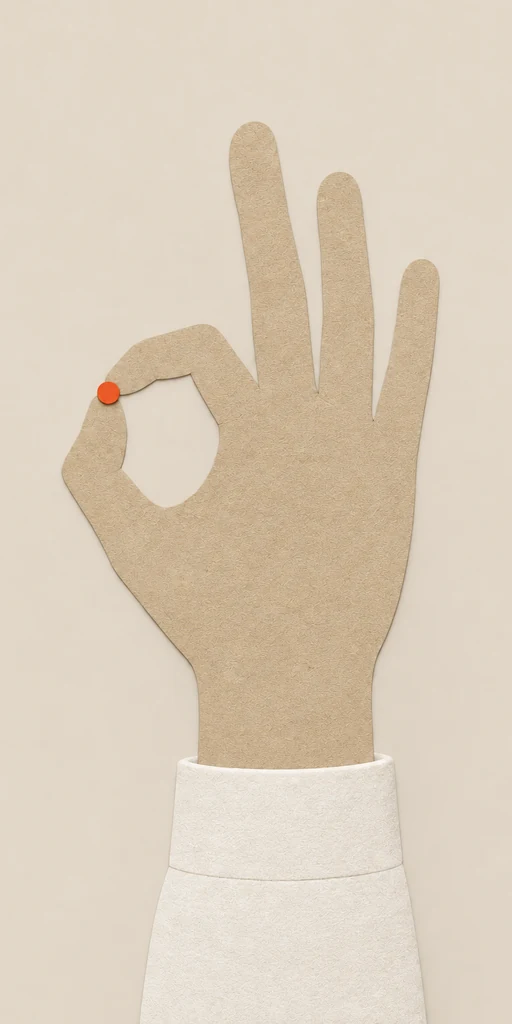
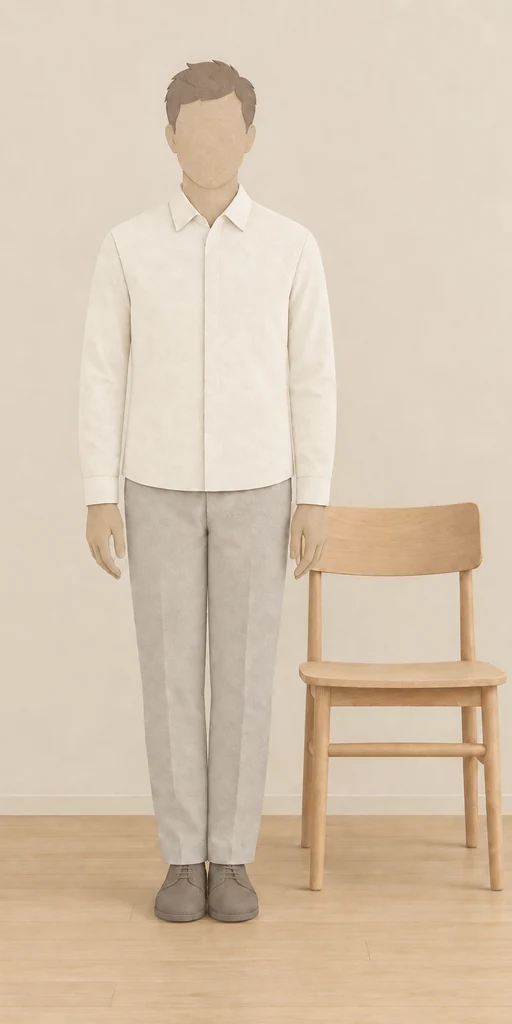
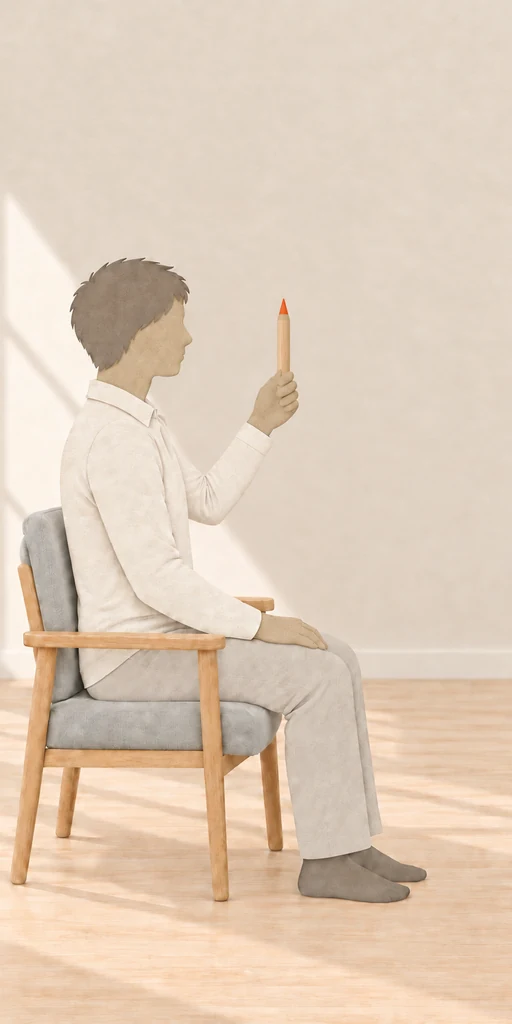
Keep the setup the same
Use the same steps, equipment and surface each time so you can compare a later attempt. For a two-hand check, use the same hand order.
Compare with yourself
When you repeat a check, note whether you miss more taps, feel less steady or take longer to find a word.
Check group
Hands & coordination
Finger Tapping
Step 1 of 3 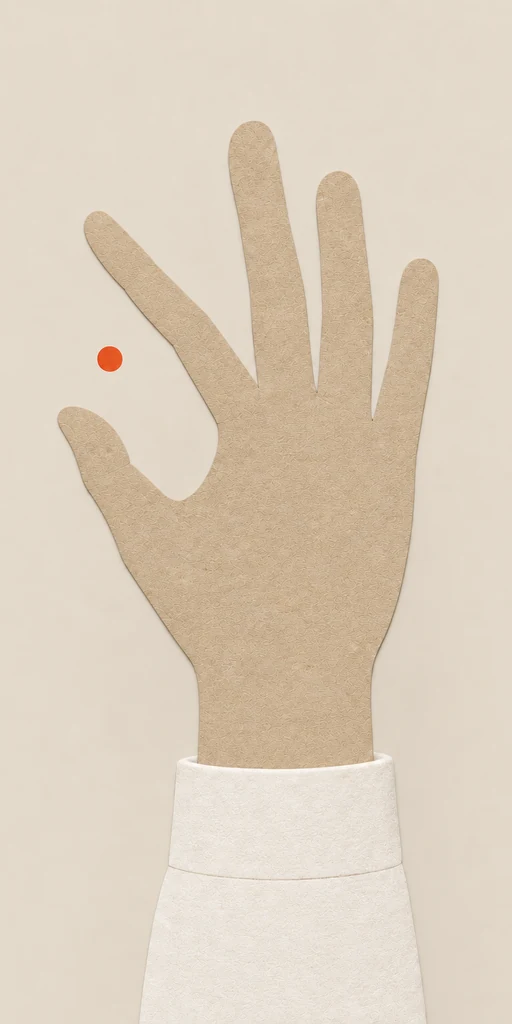 Step 2 of 3 Step 3 of 3
 Swipe the picture or use the buttons.
Try this whenOne hand feels clumsier, slower or less precise than usual.
What to do
Tap your index finger and thumb together for 10 seconds. Open them fully between taps. Repeat with the other hand.
What to notice
Compare how evenly each hand taps. Notice if one slows down, if your finger opens less fully, or if a tap misses your thumb.
Finger speed and control
Doctors use finger tapping to check fine hand control: how quickly and accurately you can repeat a small movement.
Research behind this check
The cited study involved people with damage to myelin, the protective covering around nerve fibers in the brain or spinal cord. This short home activity does not follow the study's testing method. It cannot tell you where a movement problem starts or what causes it.
Rapid hand turns
 Step 1 of 3
  Step 2 of 3
  Step 3 of 3
 Swipe the picture or use the buttons.
Try this whenOne hand pauses or slows down when you turn it palm up and palm down.
What to do
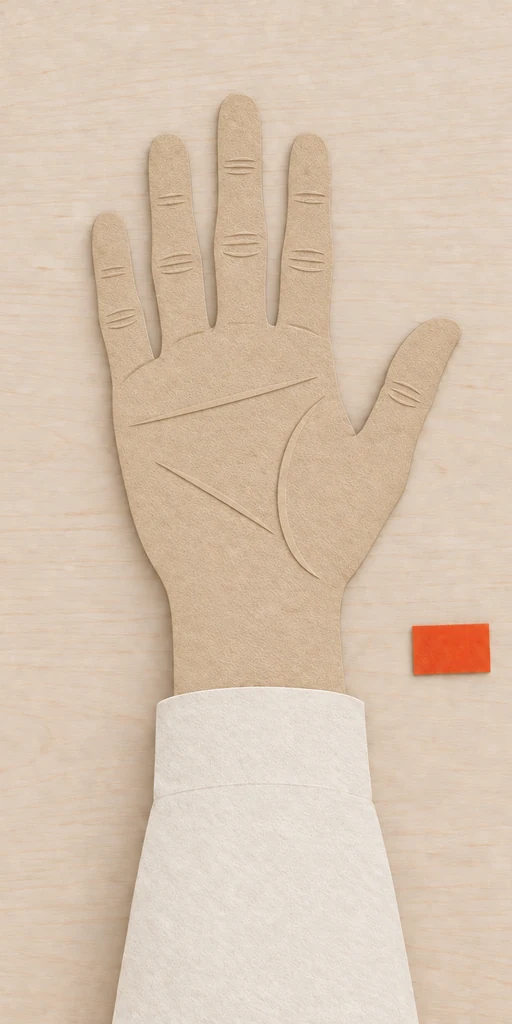
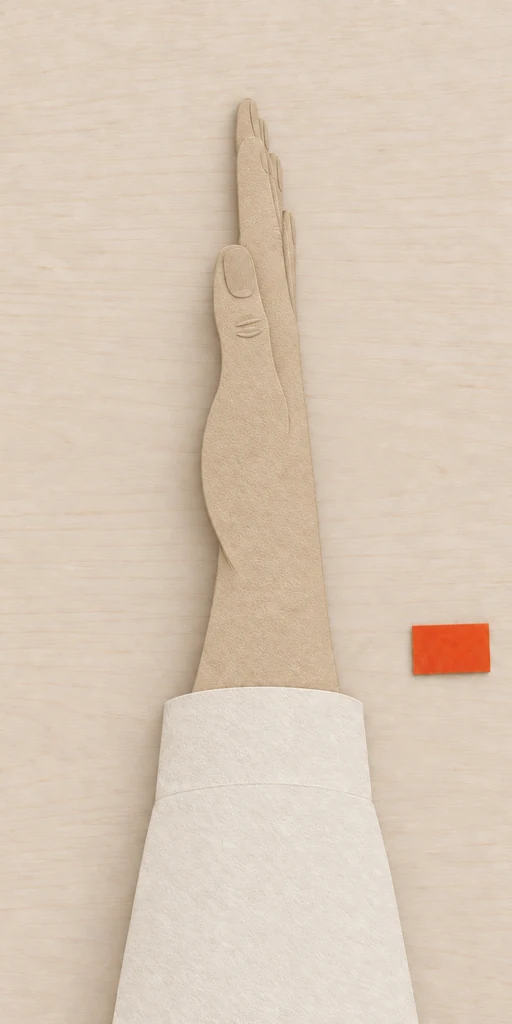
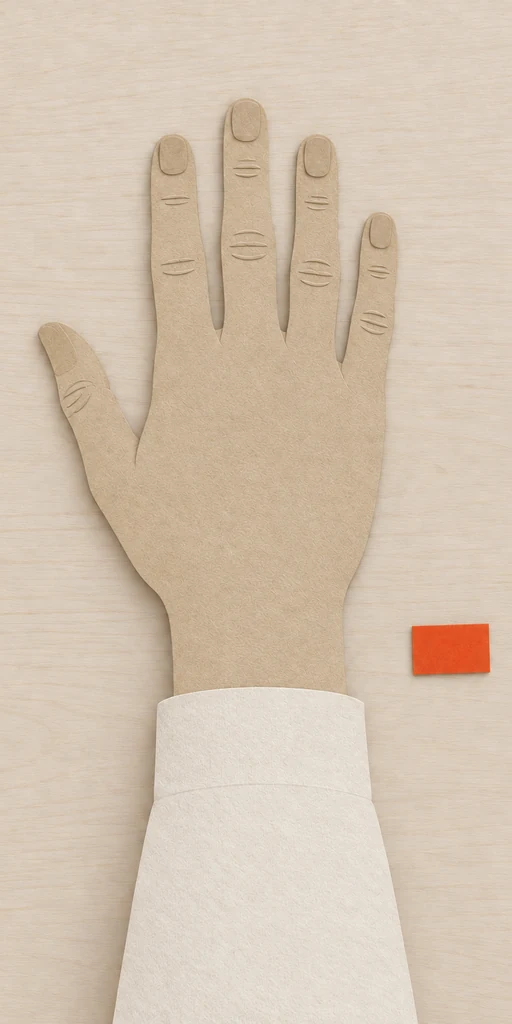
Turn one hand palm up, palm down and palm up again as evenly as you can for 10 seconds. Then use the other hand.
What to notice
Compare both hands. Notice if one pauses, slows down or stops before the palm faces fully up or down. Keep your forearm supported if that helps you turn your hand without lifting your shoulder.
Hand coordination
Doctors use repeated hand turns to check how evenly you change direction and whether you finish each turn.
Research behind this check
The cited review examined tests that used equipment to measure coordination in people with cerebellar ataxia. Cerebellar ataxia is a loss of coordination involving the cerebellum, the part of the brain that helps control movement. Turning your hands at home may show a consistent difference between sides, but it cannot diagnose ataxia or explain the difference.
Check group
Balance & walking
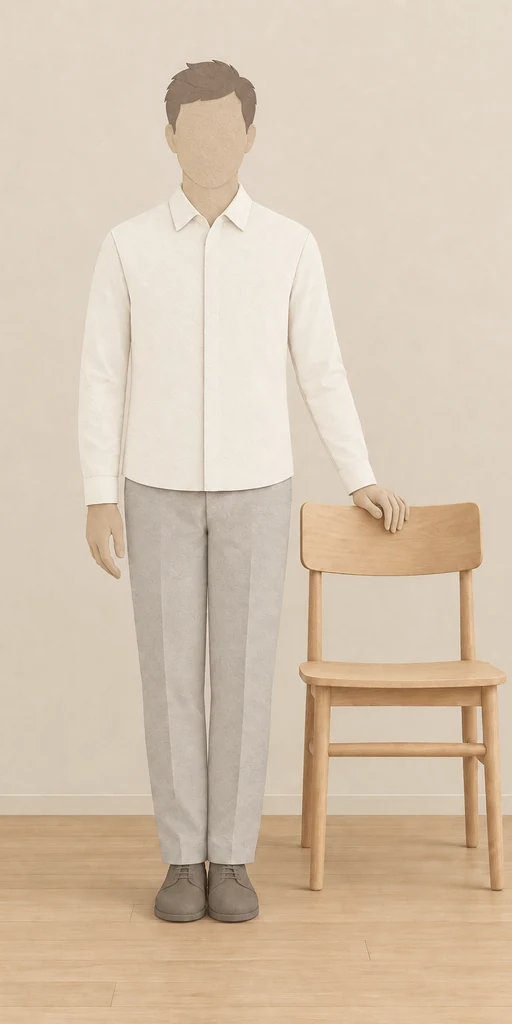
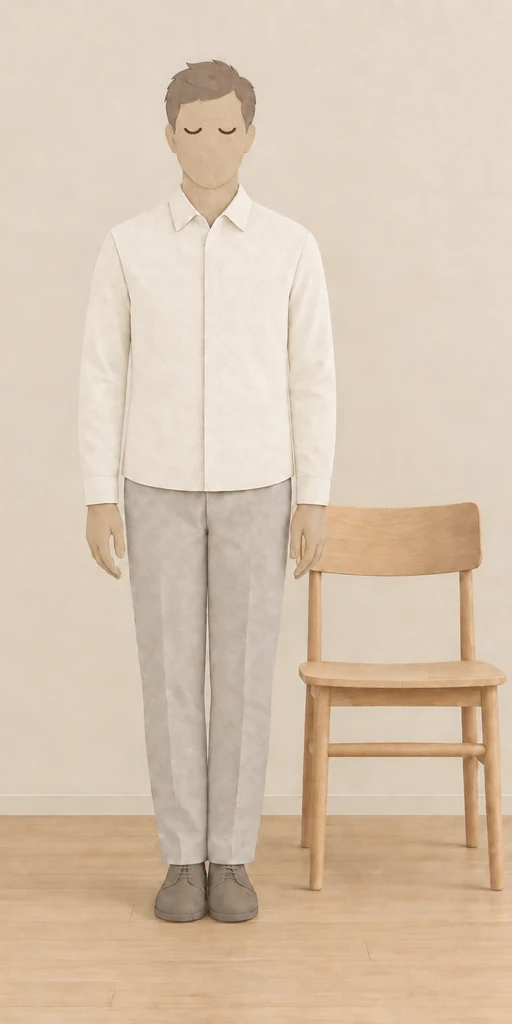
Eyes-closed balance
 Step 1 of 3 Step 2 of 3
  Step 3 of 3
 Swipe the picture or use the buttons.
Try this whenYou feel less steady in dim light, in the shower or when you close your eyes.
What to do
Stand beside a stable counter or heavy chair with support within reach. Keep your hand free during the check. Put your feet together only if that is safe. Stand with your eyes open first. Then close them for up to 20 seconds.
What to notice
Stop as soon as you need support. Notice whether closing your eyes causes much more sway, a step or an immediate need to reopen them.
How sight helps you balance
Closing your eyes removes the visual information that helps you stay balanced. You then rely more on your inner ears and on signals from your muscles and joints about your body's position.
Research behind this check
Doctors use a Romberg test to assess balance with the eyes open and closed. They consider how you stand, the surface beneath your feet and the rest of the examination. A difference at home cannot tell you which part of your balance system is affected or what causes it.
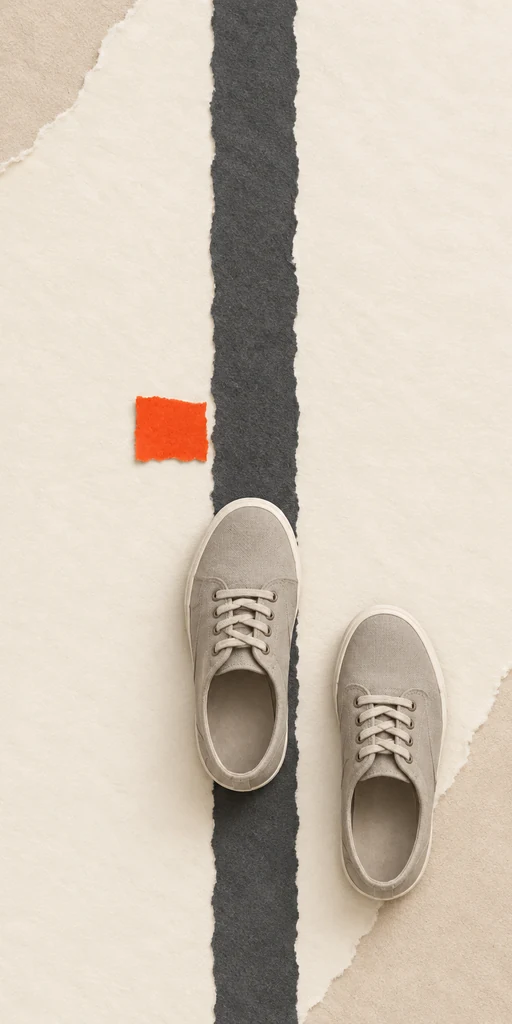
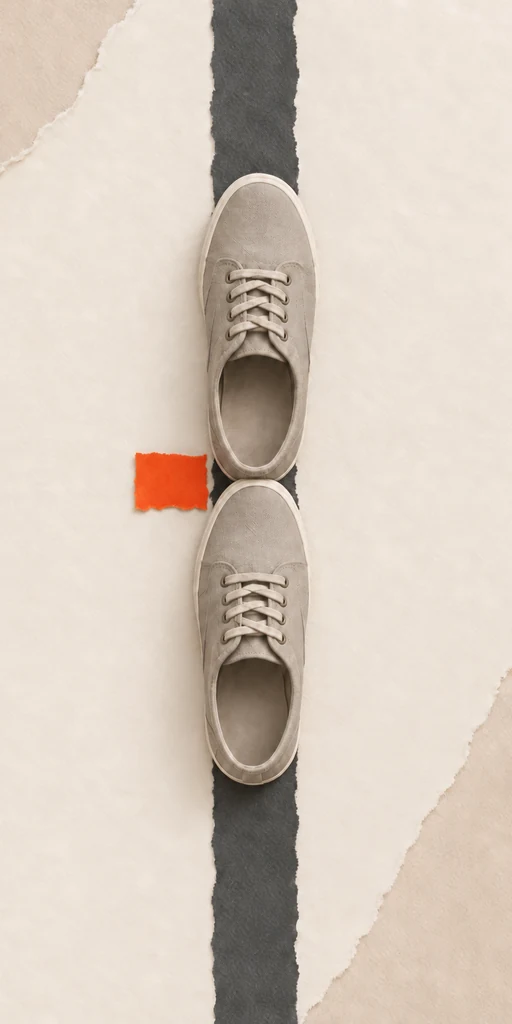
Heel-to-toe walking
 Step 1 of 3
  Step 2 of 3
  Step 3 of 3
 Swipe the picture or use the buttons.
Try this whenYou veer, struggle to walk straight, or notice slower or less steady steps while concentrating on something else.
What to do
Use a clear path beside a wall or counter. Put one heel directly in front of your other foot’s toes. Continue heel to toe along the line for up to 10 steps. Stop if you feel unsafe.
What to notice
Notice steps off the line, wobbling or a clear change from your usual pace. Compare your own repeated attempts rather than using a pass or fail cutoff.
Why heel-to-toe steps are harder
Putting one foot directly in front of the other makes it harder to stay steady than taking your usual steps.
Research behind this check
The cited study timed heel-to-toe walking, also called tandem gait, in college athletes after concussion. This home activity does not time your walking. It cannot diagnose concussion or tell you whether unsteadiness comes from your inner ears, vision, sense of body position or another cause.
Check group
Eyes & screens
Try it here
Follow the dot
Keep your head still. Move only your eyes.
Eye movement check
Try this whenScrolling, driving, supermarket aisles or moving scenes bring on dizziness, nausea or eye strain.
What to do
Keep your head still and follow the moving dot with your eyes. Start with the slow left-to-right movement. Use quick switching only if the slow movement feels comfortable.
What to notice
For each mode you try, notice whether you lose sight of the dot, turn your head to follow it, or develop dizziness, nausea or eye strain. If you repeat the check, see whether the same problems return. Stop if symptoms get much worse.
Research behind this check
Doctors check slow tracking, called smooth pursuit, and quick eye movements, called saccades, during VOMS, a clinical eye and balance assessment. Researchers have studied VOMS after sports concussions. The moving dot lets you try these two types of eye movement. It is not the full assessment and cannot diagnose concussion, an inner-ear problem or an eye disorder.
Bring a pen closer
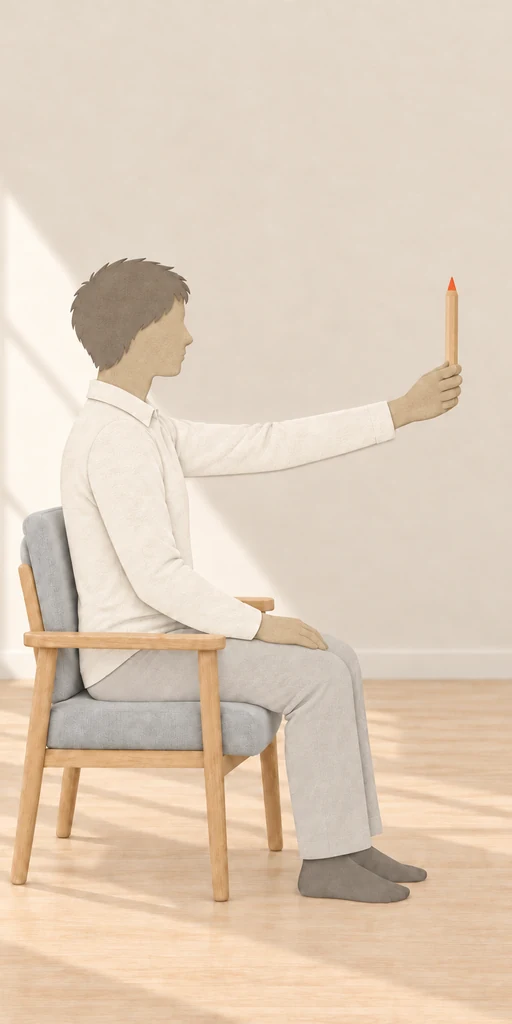 Step 1 of 3 Step 2 of 3
 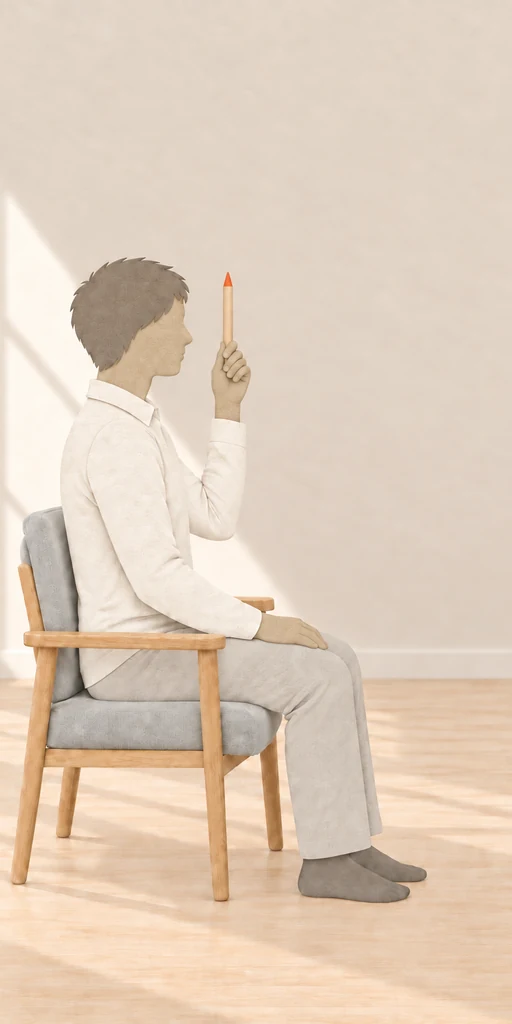 Step 3 of 3
 Swipe the picture or use the buttons.
Try this whenClose reading brings on blur, double vision, headache or eye strain.
What to do
Hold a pen at arm’s length and look at its tip. Slowly bring it toward your nose. Stop as soon as you see two images or the tip becomes blurry.
What to notice
Notice whether the tip blurs or you see two images, and roughly how far the pen is from your nose. Watch for a headache or eye strain too. If you repeat the check, see whether those symptoms return. Use the same pen and move it the same way each time; changing either can change the result.
Seeing one image up close
As you bring the pen toward your nose, your eyes turn inward so you see one image.
Research behind this check
Doctors call the clinical version a near-point convergence check. It is part of VOMS, a clinical eye and balance assessment. An examiner watches the eyes and measures the distance from the target to the nose. This home activity does not use that method and cannot tell you why you see blur or double vision. The cited study repeated the clinical test with healthy teenagers to check how consistent the measurements were.
Check group
Thinking & words
60-second timer
Name animals
Say or write each animal once.
Word retrieval
Try this whenYou struggle to recall a familiar word or name, or pause halfway through a sentence while you search for it.
What to do
Start the timer. Name as many animals as you can in 60 seconds. Say them aloud or write them down, and use the same method if you repeat the check. Count each animal only once.
What to notice
Note long pauses, animals you name twice and answers that are not animals. If you repeat the check, compare these with your earlier attempts. Do not judge the result against an online cutoff.
Finding words and following rules
You have to find animal names, remember which ones you have already used, and leave out words that are not animals. The 60-second limit gives you the same amount of time on each attempt.
Research behind this check
Naming words in a category is called semantic verbal fluency. Doctors use it to assess language and skills such as keeping to a rule and searching for related words. The cited study measured performance in Turkish adults, and scores varied with age and education. One attempt at home cannot tell you whether you have a language or memory disorder.
Tap in order
1, A, 2, B, 3, C
The circles move when you reset or try again.
Attention switching
Try this whenYou lose your place or take longer than usual when switching between two sets of information, such as checking items on a list against a form.
What to do
Press start, then tap the scattered circles in this order: 1, A, 2, B, 3, C. The tool records elapsed time and mistakes.
What to notice
Notice if you lose your place, tap the wrong circles repeatedly or take much longer than usual.
Following two sequences
You have to find each circle while keeping your place in both the number sequence and the alphabet. The order stays the same, but each new layout makes you find the circles again instead of remembering where they were.
Research behind this check
In the clinical Trail Making Test Part B, you draw a path while switching between numbers and letters. One small study found a preliminary link between test performance and working memory: holding and using information for a short time. This six-circle tapping exercise is much shorter and replaces drawing with tapping. Its time and mistake count cannot identify a specific thinking or memory problem.
After a check
Describe what happened
If you want a record, include any time or mistake count the tool gives you.

What I didName the check and the side you used. Describe your position and the equipment or surface you used.
What happenedThe pause, wobble, symptom or mistake you noticed.
When you did itWrite the time of day. If you have tried the check before, note what changed or stayed the same.
Example“I tried the finger taps with both arms supported. My left hand kept an even rhythm. My right hand slowed down before the 10 seconds ended. This was new today.”
This link opens your My Fog notebook. You enter the observation yourself.