WBF What is
brain fog?
Support WBF Take quiz
Medically reviewed by Dr. Alexandru-Theodor Amarfei, M.D.

Concussion Brain Fog: The Energy Crisis in Your Head

In brief

Concussion brain fog happens because your injured brain is running out of fuel. Impact triggers a neurometabolic energy crisis: neurons demand massive ATP to restore ionic balance, but mitochondrial dysfunction slashes energy production. This mismatch can persist 22-30 days. Most recover in 2-4 weeks; 10-15% develop persistent symptoms.

You took a hit. The first dizziness passed, but now your thinking feels slow. Concentrating is harder, you lose words mid-sentence, and afternoons wear you out. You're trying hard enough. Your injured brain may be short on energy.

22-30 days for ATP to normalize

90% resolve in 10-14 days

10-15% develop PCS

50% blood flow drop (acute)

The energy crisis

When your brain experiences concussive force, it triggers a chain of biochemical events creating severe energy crisis. Neurons badly need ATP, the energy that cells run on, but the injury has damaged the mitochondria that make it.

Phase 1: The Ionic Tsunami
Impact stretches and damages neuron cell membranes, creating tears that allow ions to flood in/out uncontrollably. Potassium rushes out. Calcium and sodium rush in. This triggers uncontrolled neural firing. Sodium-potassium pumps shift into overdrive, demanding enormous ATP.
Phase 2: The Energy Mismatch

Your brain ramps up glucose metabolism (hyperglycolysis), burning fuel at accelerated rate. But simultaneously:

  • Cerebral blood flow drops - sometimes 50% in first hours. Less blood = less glucose and oxygen.
  • Mitochondria become dysfunctional - calcium impairs ATP production. Brain relies on inefficient anaerobic energy.
  • Magnesium depletes - essential for 300+ enzymatic processes including ATP production. Can persist 4 days.

Core Problem:

Your brain badly needs more energy just when it can make less. This gap is the main cause of thinking problems after a concussion.

Why each symptom happens

Concentration Difficulties

Sustained attention is metabolically expensive. Prefrontal cortex requires substantial ATP. Short on energy, the brain rations these "luxury" functions first.

Slowed processing speed

Concussive forces damage axons and myelin, slowing transmission. Insufficient ATP means ion pumps can't maintain optimal membrane potentials.

Memory Problems

Memory consolidation requires energy-intensive hippocampal processes. When brain diverts resources to repair, consolidation suffers.

Mental Fatigue

Brain works overtime to maintain basic functions with inadequate fuel. By afternoon, mental reserves run out. This isn't laziness - it's biology.

Recovery timeline

0-48 hrs
Acute symptoms most intense. Ionic imbalances peak. Relative rest important.
Days 3-14
Most symptoms begin improving. ~90% resolve within 10-14 days. Critical vulnerability window - second concussion can cause compounding damage.
Weeks 2-4
Most people largely symptom-free by one month. Two-thirds nearly symptom-free within 3 months.
4+ weeks
Symptoms beyond 4 weeks often diagnosed as post-concussion syndrome (PCS). Affects 10-15% of concussions.

Critical Note:

Symptomatic recovery and metabolic recovery are not the same. Brain metabolites may not normalize until 30+ days post-injury, even when you feel recovered. A second concussion during this window can cause exponential, not additive, damage.

Nutrition for Brain Recovery

Anti-Inflammatory Focus

  • Omega-3s (DHA) - critical for brain cell membranes, anti-inflammatory. Fatty fish, walnuts, flaxseeds.
  • Antioxidant-rich foods - berries, leafy greens, colorful vegetables combat oxidative stress.
  • Complex carbs release sugar steadily. Refined sugar causes spikes.

What to skip

Processed foods, too much sugar and alcohol raise inflammation. Alcohol disrupts sleep, inflames the brain and slows healing.

Supplements that may support recovery

Omega-3 Fatty Acids (DHA/EPA)
Most-studied supplement for concussion. In adolescent athletes, 2g DHA daily led to symptom resolution 5 days earlier than placebo (11.0 vs. 16.0 days).
Creatine Monohydrate
Creatine supports the phosphocreatine system, which remakes ATP fast. Animal studies show creatine given before brain injury helps keep energy steady afterwards.
Magnesium
Post-concussion depletion is well-documented. Essential for ATP production and limiting calcium influx. One study used 400mg magnesium oxide twice daily with promising results.
Choline Compounds (Alpha-GPC, Citicoline)
Essential for acetylcholine synthesis and neuronal membrane repair. Support phospholipid synthesis needed for membrane repair following injury.
Melatonin
Beyond sleep regulation, acts as powerful brain antioxidant. Post-concussion sleep disturbances are common - melatonin may address both issues.

Lifestyle Strategies

Rethinking Rest

Old guidelines said to rest completely until symptoms cleared. Current evidence shows that after the first 24-48 hours, gradually returning to activity helps. Children who stayed physically active during recovery were less likely to develop lasting symptoms.

Key is sub-symptom threshold exercise - activities at intensity that doesn't significantly worsen symptoms. Light walking, cycling at heart rate below symptom threshold.

Cognitive Pacing

  • Take breaks before feeling exhausted, not after
  • Break tasks into smaller chunks
  • Reduce screen time when possible
  • Avoid multitasking
  • Plan demanding tasks for morning when freshest

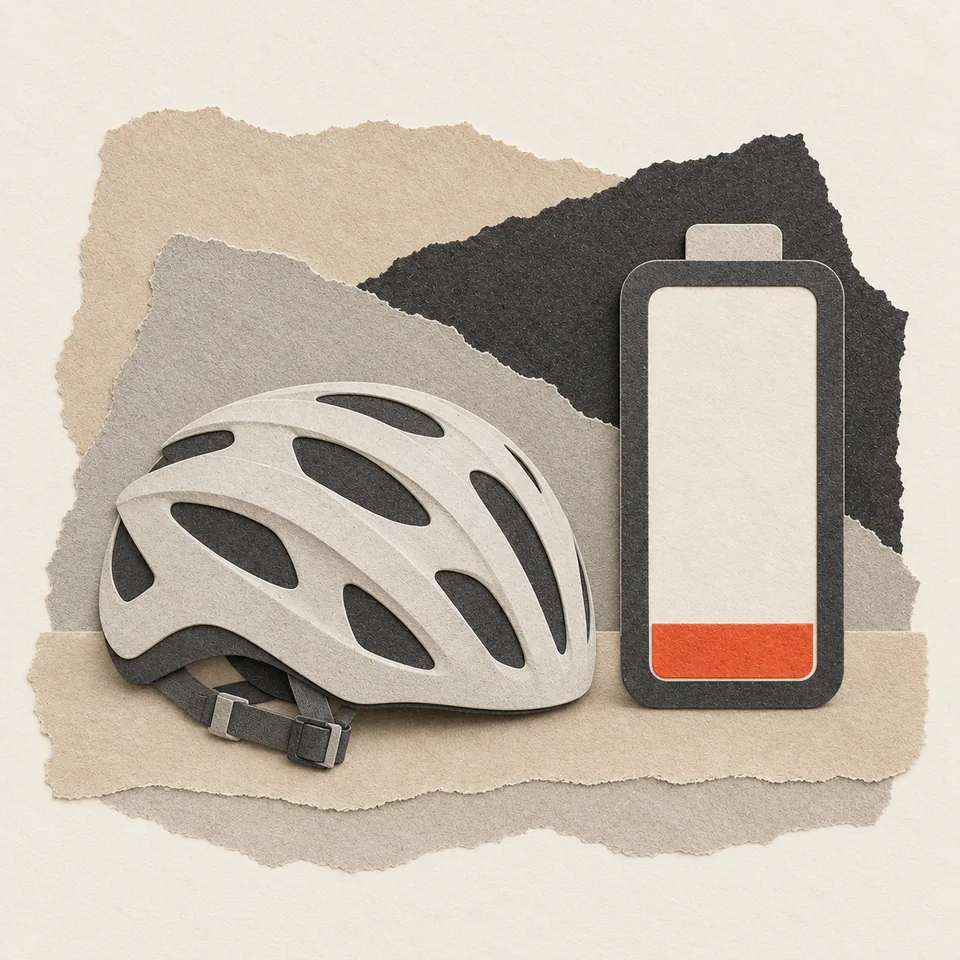
"Treat your brain like a phone battery. Check your energy level through the day and rest before you run out."

When to Seek Help

Emergency Warning Signs:

Worsening headache, repeated vomiting, seizures, slurred speech, one pupil larger than other, increasing confusion, loss of consciousness, weakness/numbness in limbs.

If symptoms haven't improved within 2 weeks, or last beyond 4 weeks (concussion consensus guidelines), a specialist may help. Options include vestibular (balance) therapy, eye movement therapy, cognitive rehabilitation and physical therapy for neck problems.

Common concussion questions

How long does brain fog last after concussion?
Most recover within 2-4 weeks. ~10-15% develop persistent symptoms beyond 3 months. Recovery depends on age, injury severity, prior concussions, and management during recovery.
Is concussion brain fog permanent?
Usually no. Most people improve a lot within weeks to months with good care. Symptoms lasting beyond 3 months may need several specialists.
Should I rest completely after concussion?
No. After 24-48 hours of relative rest, international guidelines now recommend light activity, then structured aerobic exercise that doesn't worsen symptoms. Long strict rest can slow recovery.
Can concussion cause depression and anxiety?
Yes. People with TBI are 1.9x more likely to experience anxiety. Depression is one of the most common mental health issues following concussion - from both direct brain changes and frustration with cognitive limitations.

Related: Post-Concussion Syndrome as a Brain Fog Cause (full cause profile with testing recommendations).

References
  1. [1] Giza CC, Hovda DA. (2014). Neurosurgery. PMC4479139
  2. [2] Complete Concussion Management. Pathophysiology. Link
  3. [3] Bell T et al. (2023). Research in Nursing & Health. PMC10851910
  4. [4] StatPearls. Concussion. NBK534786
  5. [5] Houston Methodist. How Long Does a Concussion Last? Link
  6. [6] J Neurosurgery. Post-concussion Syndrome. Link
  7. [7] Omega-3 trial. PMC12048115
  8. [8] Cognitive FX. PCS. Link

Get research like this in your inbox

We publish new in-depth guides on brain fog's causes, backed by studies and patient data.

Launch-list signup. Check your inbox to confirm.