Metabolic Vascular and Brain Fog
Guideline: ADA Standards of Care 2025; NICE NG238 Type 2 Diabetes (2022); KDIGO CKD 2024; AASLD/EASL Hepatic Encephalopathy
Prepared by the What Is Brain Fog editorial desk and clinically reviewed by Dr. Alexandru-Theodor Amarfei, M.D..
First published
Quick Answer
Metabolic-vascular fog is usually gradual. It's less 'I crash after one trigger' and more 'I'm not as sharp as I used to be, and my cardiovascular picture isn't great either.'
Start Here
Your first 3 steps
1. Do this first
If you already have diabetes, CKD, MASLD/NAFLD, heart failure, or uncontrolled hypertension, ask directly whether your cognitive symptoms are being treated as part of the metabolic disease itself. Request HbA1c, eGFR, urine ACR, liver markers, blood pressure review, and a medication check rather than treating the fog as a separate mystery.
2. Bring this to a clinician
My brain fog has been slowly worsening alongside metabolic or cardiovascular risk factors. I want to discuss whether blood pressure, insulin resistance, lipids, sleep apnea, or vascular issues are driving the cognitive decline.
Tests to raise first: Metabolic Panel, Hepatic Encephalopathy Screening (if liver disease), A1c + fasting glucose context review.
3. Judge the timing fairly
Weeks to months, depending on the driver
Key Takeaways
Fast read- 1
Metabolic-vascular fog usually feels like a slow cognitive drag tied to the whole body rather than a single dramatic crash.
- 2
Diabetes, CKD, fatty liver, heart failure, and hypertension can directly drive cognitive symptoms through vessel injury, inflammation, and reduced reserve.
- 3
Average glucose markers matter, but variability, sleep-apnea overlap, and medication effects can change the picture more than one reassuring number.
- 4
Vitamin B12 and TSH belong in the workup more often than patients are told, especially with long-term metformin use.
- 5
Blood-pressure control, diabetes optimization, CKD protection, and hepatic-encephalopathy treatment all have brain-protective implications.
- 6
A Mediterranean-pattern, protein-first food structure is useful, but this page isn't arguing that food alone replaces medical care.
- 7
If snoring, daytime sleepiness, or resistant hypertension are in the story, sleep apnea belongs in the same workup.
- 8
Meaningful improvement is often possible, but the timeline depends on whether the main driver is glucose, blood pressure, liver disease, kidney disease, or overlap.
Historical Context
The Science of Metabolic Brain Fog: A Timeline
This field was built across dementia epidemiology, diabetes cognition work, blood-pressure trials, and newer cardio-kidney-metabolic models.
▼
Historical Context
The Science of Metabolic Brain Fog: A Timeline
This field was built across dementia epidemiology, diabetes cognition work, blood-pressure trials, and newer cardio-kidney-metabolic models.
Rotterdam Study links diabetes to dementia risk
Large observational work helped make the diabetes-dementia connection harder to dismiss as coincidence.
Prospective diabetes-cognition evidence is synthesized
A major overview clarified that diabetes is linked to cognitive decline and dementia across multiple prospective cohorts.
SPRINT MIND shows blood-pressure control protects cognition
Intensive BP control reduced mild cognitive impairment by 19%, making vascular risk reduction a brain-health intervention.
Biomarker framing sharpens the diabetes-brain model
Biessels and colleagues mapped diabetes-related brain changes across vascular, inflammatory, and insulin-signaling pathways.
Lancet Commission updates modifiable dementia risk framing
Diabetes remains one of the major modifiable factors in a broader lifecycle model rather than a simplistic ranked list.
SURMOUNT-OSA ties obesity treatment to apnea improvement
Tirzepatide reduced apnea burden substantially in obesity-linked sleep apnea, reinforcing the integrated metabolic-sleep model.
Real-world GLP-1 data extends into neurodegeneration and stroke risk
JAMA Network Open data suggested lower neurodegeneration and stroke risk with semaglutide and tirzepatide in diabetes and obesity populations.
When to expect improvement
Weeks to months, depending on the driver
If no improvement after this timeframe, it's worth exploring other possibilities.
Is Metabolic Vascular Brain Fog Reversible?
Metabolic-vascular cognitive decline can be slowed, stabilized, or partially reversed with aggressive management of the underlying drivers - but the window matters. Early intervention (prediabetes, stage 1-2 CKD, pre-cirrhotic liver disease) has the best outcomes. Advanced vascular damage or end-stage organ failure may cause irreversible changes.
Typical timeline: Blood glucose optimization: cognitive benefits may appear within weeks to months. Blood pressure optimization: SPRINT MIND showed reduced MCI risk with 3+ years of control. Hepatic encephalopathy: often clears within days once precipitant is treated. Structural white-matter disease from chronic vascular injury doesn't reverse, but progression can stop.
Factors that affect recovery:
- Stage of disease at intervention (earlier = more reversible)
- Whether multiple drivers are addressed together (glucose + BP + sleep apnea + exercise)
- Presence of structural brain changes on MRI (white-matter lesions limit reversibility)
- Medication optimization and adherence
Source: SPRINT MIND, JAMA, 2019; Biessels GJ et al., Lancet Neurol, 2020; ADA Standards of Care 2025
Metabolic Vascular vs Anxiety: Key Differences
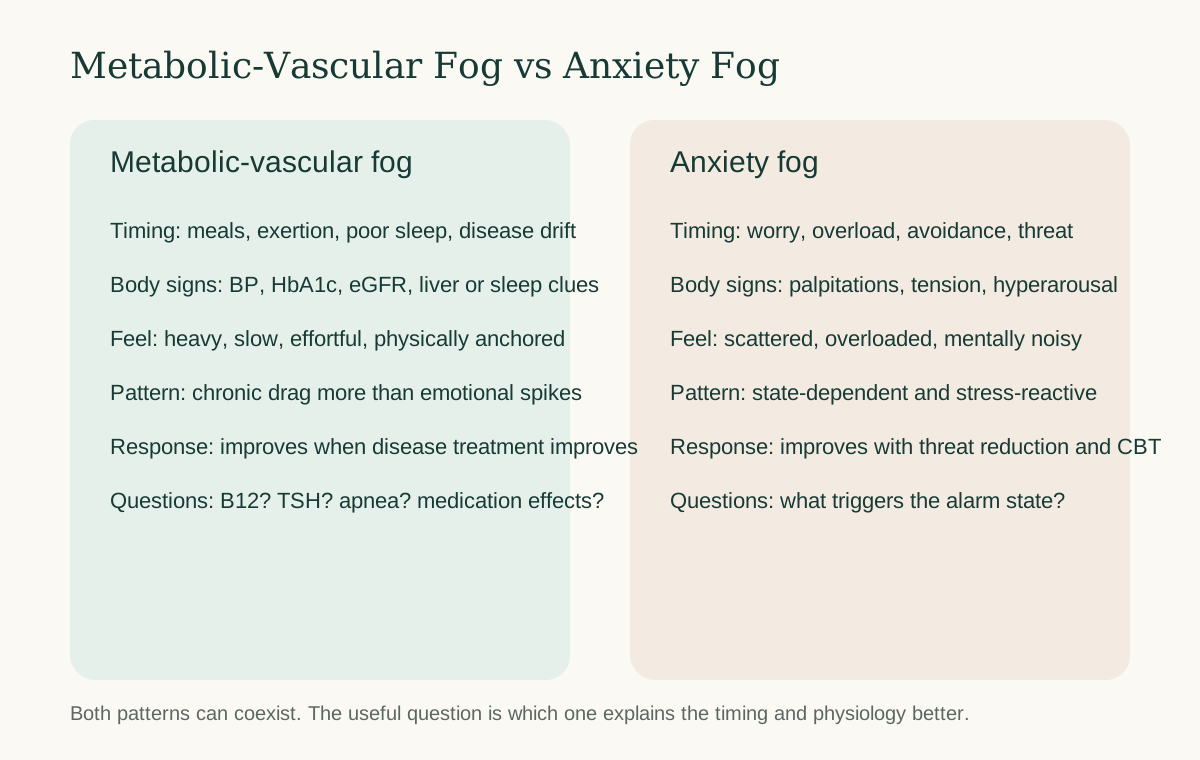
These can coexist, but they usually don't follow the same pattern.
Metabolic-vascular fog
More likely to track with meals, exertion, sleep-apnea overlap, lab changes, blood pressure, or known disease burden. It often feels heavy, slow, and body-linked.
Key question: Does the fog line up with measurable physiology or a known metabolic condition?
Anxiety-related fog
More likely to ride on worry loops, avoidance, autonomic alarm, and emotionally loaded situations. It often feels more state-dependent and less tied to formal metabolic markers.
Key question: Does the fog follow emotional threat and mental overactivation more than disease markers or post-meal/post-exertional timing?
Visual Guides
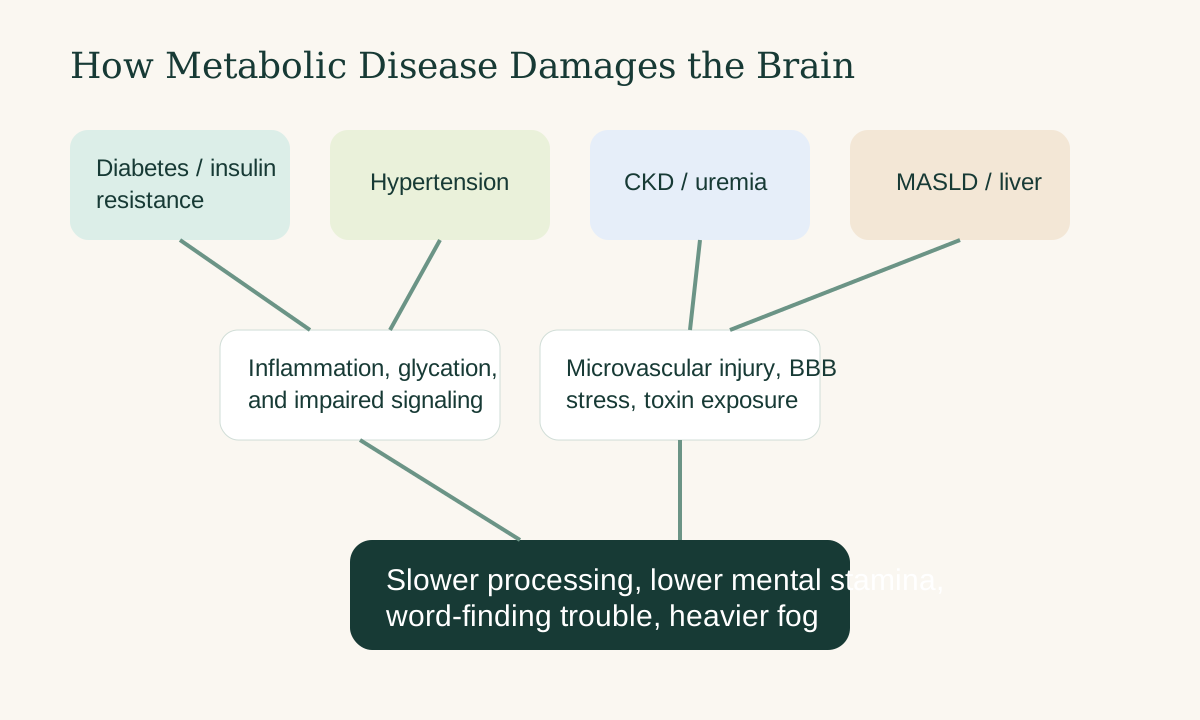
Mechanism Diagram
How Metabolic Disease Damages the Brain
A visual of the main vascular and metabolic pathways described on this page.
Comparison Chart
Metabolic-Vascular Fog vs Anxiety Fog
A quick side-by-side comparison of triggers, timing, and what usually points toward each pattern.
Cause Visual
Metabolic Vascular Pattern Map
Pattern-focused visual for Metabolic Vascular with mechanism, timing, action, and clinician discussion cues.
The Metabolic Vascular-Brain Fog Connection
Metabolic-vascular fog often feels like a slow drag on clarity, stamina, and recovery, especially when blood pressure, glucose, sleep, and fitness are all suboptimal together.
Metabolic-vascular brain fog is cognitive impairment driven by conditions including type 2 diabetes, chronic kidney disease, fatty liver disease, heart failure, and high blood pressure. These conditions damage brain blood vessels, disrupt insulin signaling, and sustain inflammation that reduces mental clarity and processing speed. Unlike purely stress-driven fog, this pattern is usually tied to measurable disease burden and often improves only when the underlying metabolic disease is treated properly.
What this pattern often feels like
These community-grounded clues are here to help you recognize the shape of the pattern. They are not a diagnosis.
Metabolic-vascular fog usually presents as a slower whole-system cognitive drag linked to poor metabolic health, vascular strain, and sleep or exercise reserve.
Differentiator question: Does the fog sit inside a broader blood pressure, blood sugar, sleep, fitness, and metabolic health pattern?
Metabolic-vascular strain may be central, but sleep apnea, diabetes, anemia, and sedentary behavior may be the more actionable nearby drivers.
What Metabolic-Vascular Brain Fog Usually Feels Like
This is usually not a dramatic one-off mental crash. It's more often a heavy, effortful, body-linked drag on thinking.
Many people describe slower thinking, reduced concentration, afternoon flattening, word-finding difficulty, and the sense that mental effort costs more than it should.
The fog often worsens after meals, poor sleep, low exercise reserve, or days when blood pressure and glucose control are clearly off.
It often feels more physically anchored than anxiety fog, with a stronger link to overall stamina, disease burden, and biomarker drift.
If the pattern tracks with HbA1c, blood pressure, eGFR, or liver status, that matters more than whether the symptom feels emotionally dramatic.
Pattern description matters because metabolic-vascular fog is often dismissed as stress, aging, or generic burnout.
Metabolic Vascular Brain Fog Symptoms: How It Usually Shows Up
Use these as recognition clues, not proof. The point is to notice what repeats, what triggers it, and what would make this theory less convincing.
Morning fog with metabolic-vascular issues often reflects overnight blood pressure dips or blood sugar drops that reduce oxygen delivery to the brain.
If your fog spikes after meals, your blood vessels may not be adjusting properly to the blood flow shift toward digestion - the brain temporarily loses out.
Fog after exercise with vascular issues often means your blood vessels aren't dilating properly to meet the brain's increased demand during activity.
Community pattern
What to Try This Week for Metabolic Vascular
- 2
20-minute walk outside today. Evidence supports this for virtually every cause of brain fog. Start with 10 if that's all you can do.
Weekly focus: Body.
- 4
Drink a glass of water now. Keep a bottle visible. Aim for pale yellow urine. Don't overthink it - just drink regularly.
Weekly focus: Hydration.
- 5
Open a window for 15 minutes. Fresh air exchange reduces indoor pollutants. If outdoors is bad (pollution, pollen), use a HEPA filter.
Weekly focus: Environment.
- 6
Reach out to one person today. Text, call, walk together. Isolation worsens every cause of brain fog. Connection is a biological need, not a luxury.
Weekly focus: Connection.
- 7
Rate your brain fog 1-10 each morning for 7 days. Note sleep quality, food, exercise, stress. Patterns emerge within a week.
Weekly focus: Tracking.
What to Do While You Sort This Out
The goal is to reduce avoidable cognitive load while you're clarifying which part of the metabolic-vascular pattern is doing the damage.
Medication check
Review beta-blockers, some antihypertensives, sedating medications, and metformin-related B12 depletion with your clinician. Don't stop prescribed medication on your own, but do ask whether side effects or nutrient depletion could be adding noise to the picture.
Track timing, not just severity
Note whether the fog clusters after meals, after exertion, after poor sleep, or during blood-pressure or glucose swings. Pattern is usually more useful than one dramatic symptom score.
Work the overlap problems early
If snoring, resistant hypertension, edema, CKD, or fatty liver are already known, bring them into the same conversation rather than treating them as side issues.
Avoid false reassurance from one normal result
A normal average marker doesn't rule out variability, sleep-apnea overlap, medication effects, or B12 depletion. Keep the workup broad enough to match the story.
When to Bring This to a Clinician
Don't wait for a crisis if the pattern is persistent or clearly affecting work, driving, or daily function.
Bring it up within 2 weeks if the fog is persistent
If the fog lasts more than 2 weeks, is worsening, or is interfering with work or home function, bring a timing log, medication list, and recent lab history to your next appointment.
Escalate sooner if function is sliding
Earlier review is reasonable when you notice new word-finding problems, repeated mistakes, low-exertion exhaustion, or family members commenting that you seem cognitively slower.
Treat disease overlap as one conversation
If diabetes, CKD, sleep apnea, liver disease, and hypertension are all in the picture, ask for an integrated plan instead of separate single-organ advice.
Use urgent care for red-flag confusion
Marked confusion, drowsiness, vomiting, severe dehydration, chest pain, focal neurologic symptoms, or suspected overt hepatic encephalopathy are urgent, not routine follow-up issues.
Medication and Life-Stage Notes
A few context clues push the metabolic-vascular story higher on the list even before the full panel is back.
Prediabetes still counts
Impaired glucose metabolism can affect concentration and processing speed before full diabetes thresholds are crossed. If HbA1c is 5.7-6.4% or fasting glucose is 100-125 mg/dL, don't dismiss metabolic involvement.
Metformin users need B12 on the radar
Long-term metformin use can deplete vitamin B12 and create a reversible cognitive problem that looks like worsening metabolic fog.
Older adults need the FIB-4 age caveat
In adults over 65, standard fibrosis cutoffs can overcall liver risk. Ask whether the age-adjusted FIB-4 threshold is being used before a result is interpreted as alarming.
Resistant hypertension plus snoring changes the workup
That combination pushes sleep apnea and broader cardio-kidney-metabolic overlap much higher on the list and justifies a more integrated review.
Useful Related Guides
Mediterranean / MIND diet guide
Use this if you want the food pattern behind the page, not just the summary card.
Sleep apnea cause page
Relevant when resistant hypertension, snoring, and metabolic disease cluster together.
Part III: Supplements
Open this for adjuncts such as berberine, alpha-lipoic acid, omega-3, and B12 context.
Food Approach for Metabolic-Vascular Brain Fog
Primary Option
Mediterranean / MIND Pattern
The most evidence-backed eating pattern for brain health. Not a diet - a way of eating.
Leafy greens daily, berries 3-5x/week, fatty fish 2-3x/week, olive oil as main fat, nuts/seeds daily, legumes 3-4x/week, whole grains. Minimal ultra-processed food, refined sugar, and seed oils.
Mediterranean + calorie awareness for weight management if indicated. Protein-first meal structure for glucose control. Reduce refined carbs and ultra-processed food. This is guideline-directed nutritional therapy - ADA 2025 recommends medical nutrition therapy as standard of care for diabetes.
Open primary diet pattern →Alternative Options
Gentle Anti-Inflammatory (Recovery-Adapted)
For people who are too fatigued, nauseous, or overwhelmed for complex dietary changes. The minimum effective dose.
Small, frequent, simple meals. Broth/soup if appetite is poor. Add ONE portion of oily fish per week. Add berries when tolerable. Reduce (don't eliminate) ultra-processed food. Hydrate. Don't force large meals.
Open this option →How to Talk to Your Doctor About Metabolic-Vascular Brain Fog
Suggested Script
"My brain fog has been slowly worsening alongside metabolic or cardiovascular risk factors. I want to discuss whether blood pressure, insulin resistance, lipids, sleep apnea, or vascular issues are driving the cognitive decline."
Tests To Discuss
- • Metabolic Panel
- • Hepatic Encephalopathy Screening (if liver disease)
- • A1c + fasting glucose context review
- • Vitamin B12 + TSH review
- • STOP-BANG / sleep apnea screening if indicated
What Would Weaken It
- • No vascular or metabolic risk story and no slow blunting pattern over time.
- • Normal blood pressure, lipids, glucose context, and sleep history when the symptoms also fail to fit a vascular decline pattern.
- • Another cause explains the fog more convincingly than cumulative metabolic stress does.
Quiet next step
Get the Metabolic Vascular doctor handout
The printable handout is available right now without an account. Email is optional if you want the link sent to yourself and one quiet follow-up reminder.
Quick Summary: Metabolic Vascular Brain Fog Key Points
Informative- 1
Slow decline fits metabolic-vascular causes better than dramatic crashes.
- 2
Blood pressure, glucose, lipids, and fitness all matter here.
- 3
Sleep apnea often coexists and accelerates the same pattern.
- 4
This is one of the more preventable causes if caught early.
- 5
Aggressive risk-factor management protects cognition, not just the heart.
Metabolic Lens
Primary overlapThis cause captures broader metabolic and vascular burden that can drive persistent cognitive symptoms beyond isolated meal effects.
- Fog episodes that cluster in repeatable timing windows (meal, exertion, posture, or sleep-pattern linked).
- Energy or clarity drops that feel abrupt rather than uniformly low all day.
- Symptom overlap with sleep, autonomic, anxiety, or medication factors.
These pattern clues can raise suspicion but aren't diagnostic on their own; confirmation requires clinician-guided evaluation and objective data.
11 Evidence-Based Insights About Metabolic Vascular and Brain Fog
Metabolic-vascular fog isn't just a vague "unhealthy lifestyle" story. It's what happens when blood-vessel injury, insulin resistance, kidney stress, liver disease, sleep apnea, and low cardiovascular reserve start leaning on the brain at the same time.
Evidence grades: A = strong human evidence, B = moderate evidence, C = preliminary or small-study evidence. Full grading guide
1 THE CONDITION CHECK: If you already have type 2 diabetes, CKD, MASLD/NAFLD, heart failure, or long-standing hypertension, those diagnoses aren't side notes.
▼
THE CONDITION CHECK: If you already have type 2 diabetes, CKD, MASLD/NAFLD, heart failure, or long-standing hypertension, those diagnoses aren't side notes.
They are plausible primary drivers of brain fog and should be treated as brain-protection problems, not just metabolism problems.
Biessels et al., Lancet Neurol 2020; ADA Standards of Care 2025
2 Diabetes causes cognitive impairment through multiple pathways: microvascular damage to brain blood vessels, hyperglycemia-induced glycation of proteins, chronic inflammation, and impaired insulin signaling in the brain.
▼
Diabetes causes cognitive impairment through multiple pathways: microvascular damage to brain blood vessels, hyperglycemia-induced glycation of proteins, chronic inflammation, and impaired insulin signaling in the brain.
This isn't 'just sugar spikes.' It's disease.
Biessels et al., Lancet Neurol 2020 DOI ↗
3 KNOW YOUR NUMBERS: HbA1c, eGFR, urine ACR, blood pressure, and if relevant FIB-4 aren't admin details.
▼
KNOW YOUR NUMBERS: HbA1c, eGFR, urine ACR, blood pressure, and if relevant FIB-4 aren't admin details.
They are the shortest route to understanding whether vessel injury, kidney clearance, or fatty-liver burden is part of the cognitive story.
ADA Standards of Care 2025; KDIGO CKD 2024; AASLD liver guidance
4 Diabetes is among the most significant of the 14 modifiable dementia risk factors identified by the 2024 Lancet Commission.
▼
Diabetes is among the most significant of the 14 modifiable dementia risk factors identified by the 2024 Lancet Commission.
The paper doesn't rank them in a neat 1-2-3 list, but it does support the core point: long-term metabolic injury is brain-relevant, and earlier control matters.
Livingston et al., Lancet 2024 Dementia Commission
5 THE KIDNEY FOG CHECK: If eGFR is under 60, kidney disease may be part of the fog through both vascular injury and toxin retention.
▼
THE KIDNEY FOG CHECK: If eGFR is under 60, kidney disease may be part of the fog through both vascular injury and toxin retention.
Uremic toxins don't just stay in a lab result. They can affect the blood-brain barrier and neuronal function directly.
Faguer et al., Nephrol Ther 2023; KDIGO CKD 2024
6 THE LIVER FOG CHECK: Fatty liver and cirrhosis don't only live in the liver.
▼
THE LIVER FOG CHECK: Fatty liver and cirrhosis don't only live in the liver.
If the story includes liver disease, cognitive slowing, reversal of sleep pattern, or a "not-quite-right" mental state, ask whether covert hepatic encephalopathy has actually been screened for with PHES or EncephalApp rather than guessed at.
Vilstrup et al., Hepatology 2014
7 GLP-1 medications are interesting here because their story may be bigger than glucose or weight alone.
▼
GLP-1 medications are interesting here because their story may be bigger than glucose or weight alone.
The fairest current wording isn't "proven cognitive treatment" but "neuroprotective signal": preclinical evidence is strong, clinical evidence is emerging, and formal Alzheimer's trials are underway.
Andersen et al., J Alzheimers Dis Rep 2024; Briggs et al., Alzheimers Res Ther 2025
8 The SPRINT MIND trial showed intensive blood pressure control (target <120 systolic) reduced mild cognitive impairment by 19%.
▼
The SPRINT MIND trial showed intensive blood pressure control (target <120 systolic) reduced mild cognitive impairment by 19%.
Blood pressure control IS brain protection.
SPRINT MIND, JAMA 2019
9 THE SLEEP APNEA OVERLAP: Metabolic syndrome and sleep apnea often show up as a pair.
▼
THE SLEEP APNEA OVERLAP: Metabolic syndrome and sleep apnea often show up as a pair.
If the story includes snoring, daytime sleepiness, resistant hypertension, or a large neck, you may be treating only half the problem if apnea screening is missing.
Drager et al., Expert Rev Cardiovasc Ther 2013
10 THE SYMPTOM TIMELINE: The useful question isn't just what you have, but when the fog worsened.
▼
THE SYMPTOM TIMELINE: The useful question isn't just what you have, but when the fog worsened.
Did it line up with rising HbA1c, declining eGFR, new liver abnormalities, worsening blood pressure, weight gain, or a medication change? In metabolic disease, timeline clues often narrow the driver faster than one isolated symptom word.
Biessels et al., Lancet Neurol 2020
11 Metabolic fog is often partly reversible, but the timeline depends on the mechanism.
▼
Metabolic fog is often partly reversible, but the timeline depends on the mechanism.
Hepatic encephalopathy can improve in days to weeks. Blood pressure and glucose-related cognition usually improve over weeks to months. Long-standing microvascular injury may not fully reset, which is exactly why early treatment matters.
Cukierman et al., Diabetologia 2005; Biessels et al., Lancet Neurol 2020; Vilstrup et al., Hepatology 2014
View all 11 citations ▼
- Biessels et al., Lancet Neurol 2020; ADA Standards of Care 2025
- Biessels et al., Lancet Neurol 2020 doi:10.1016/S1474-4422(20)30139-3
- ADA Standards of Care 2025; KDIGO CKD 2024; AASLD liver guidance
- Livingston et al., Lancet 2024 Dementia Commission
- Faguer et al., Nephrol Ther 2023; KDIGO CKD 2024
- Vilstrup et al., Hepatology 2014
- Andersen et al., J Alzheimers Dis Rep 2024; Briggs et al., Alzheimers Res Ther 2025
- SPRINT MIND, JAMA 2019
- Drager et al., Expert Rev Cardiovasc Ther 2013
- Biessels et al., Lancet Neurol 2020
- Cukierman et al., Diabetologia 2005; Biessels et al., Lancet Neurol 2020; Vilstrup et al., Hepatology 2014
Common Questions About Metabolic Vascular Brain Fog
Based on clinical evidence and community insights. Use these as discussion prompts with your doctor, not self-diagnosis.
1. Can metabolic vascular cause brain fog? ▼
Metabolic-vascular brain fog is a real pattern in conditions such as type 2 diabetes, chronic kidney disease, fatty liver disease, heart failure, and hypertension. The mechanism isn't just "feeling unhealthy." These conditions injure small blood vessels, impair insulin signaling, increase inflammation, and reduce the brain's recovery reserve. If your fog sits inside a broader disease pattern, the treatment conversation should focus on disease optimization, not lifestyle tips alone.
2. What does Metabolic Vascular brain fog usually feel like? ▼
It often feels like gradual blunting. Processing speed drops, concentration is less reliable, and you notice you aren't as cognitively resilient as you were a few years ago. The important clue is that the story sits inside a broader cardiovascular or metabolic-risk picture.
3. What should I try first if I think metabolic vascular is involved? ▼
Start with the highest-yield move: treat known disease as the likely first driver. If you already carry a diagnosis such as diabetes, CKD, fatty liver, heart failure, or poorly controlled hypertension, ask whether your clinician is optimizing the plan for cognitive protection as well as lab targets. On the self-management side, use one practical lever at a time: walking, a Mediterranean-style meal upgrade, sleep-apnea screening if the story fits, and a short symptom-timing log instead of ten new habits at once.
4. What tests should I discuss for metabolic vascular brain fog? ▼
Common first-line discussion points are HbA1c, fasting glucose, fasting insulin, fasting lipids, eGFR, urine ACR, liver enzymes with FIB-4, vitamin B12, and TSH. If liver disease is already known, ask whether covert hepatic encephalopathy screening is appropriate. If snoring, resistant hypertension, or unrefreshing sleep are part of the pattern, bring up STOP-BANG or sleep-apnea evaluation too. The point is to match the panel to the physiology rather than stopping at one reassuring average marker.
5. When should I bring metabolic vascular brain fog to a clinician? ▼
Bring it up early if the fog is persistent for more than a couple of weeks, getting worse, or interfering with work, driving, or daily function. Treat it as urgent if confusion is sudden, if glucose is very low or very high, if liver disease comes with new flapping tremor or mental-status change, if CKD is worsening with acute cognitive decline, or if heart-failure symptoms accompany the confusion. Persistent metabolic-vascular fog isn't an emergency by default, but it isn't something to normalize indefinitely either.
6. How is metabolic vascular brain fog different from anxiety? ▼
Metabolic-vascular fog is more likely to track with measurable physiology: meals, blood sugar patterns, blood pressure, sleep-apnea overlap, CKD markers, liver status, or known disease burden. Anxiety-related fog is more likely to ride on worry loops, avoidance, autonomic alarm, and emotionally loaded situations. Both can coexist, but the pattern logic is different. If your story points strongly to both, both deserve attention rather than trying to force one explanation to do all the work.
7. Can prediabetes cause brain fog? ▼
Yes, it can. Cognitive effects don't wait politely for a full diabetes diagnosis. Prediabetes and insulin resistance can already produce post-meal slowing, lower mental stamina, and more variable cognitive performance, especially when sleep, inactivity, or central adiposity are part of the same picture. The signal is usually subtler than overt diabetes, but it still belongs in the conversation when the timing pattern and lab drift line up.
8. Does metformin cause brain fog? ▼
Usually not directly. The more important issue is that long-term metformin use can lower vitamin B12, and B12 deficiency can cause fatigue, neuropathy, and cognitive symptoms that look a lot like worsening metabolic fog. That's why periodic B12 monitoring matters in long-term metformin users. If the fog changed after extended metformin exposure, the first question is usually not whether metformin is inherently harmful to the brain, but whether B12 has quietly fallen out of range.
9. Can high blood pressure cause brain fog? ▼
Hypertension damages small vessels in the brain over time and is associated with white-matter injury, reduced processing speed, and greater cognitive burden. The SPRINT MIND trial is one of the clearest practical pieces of evidence here: intensive blood-pressure control reduced mild cognitive impairment risk by 19%. So blood-pressure treatment isn't only stroke prevention or heart protection; it's also part of brain protection.
10. How quickly can I tell whether this path is helping? ▼
The timeline depends on the driver. If hepatic encephalopathy is the main issue, improvement can happen within days to weeks after appropriate treatment. Blood-pressure and glucose-related clarity usually move over weeks to months, especially when medications, sleep, and lifestyle are all being addressed together. Use the first 1 to 2 weeks to judge direction, but don't assume the whole answer will be visible that quickly when the injury pattern has been building for years.
📖 Glossary of Terms (16 terms) ▼
Metabolic Vascular
A gradual brain-fog pattern driven by cardiovascular and metabolic risk factors such as hypertension, high cholesterol, insulin resistance, diabetes, and poor vascular health.
CKD
Chronic kidney disease, a common metabolic-vascular contributor to cognitive symptoms.
NAFLD/MASLD
Fatty liver disease in its older and newer naming systems.
HbA1c
A marker of average glucose over roughly 2 to 3 months. Useful, but it can miss variability.
eGFR
Estimated glomerular filtration rate, a standard measure of kidney function.
Hepatic encephalopathy
Brain dysfunction caused by liver failure or portal-systemic shunting that allows neurotoxic substances to affect cognition.
GLP-1
Glucagon-like peptide-1, a hormone pathway targeted by drugs such as semaglutide and tirzepatide.
SGLT2 inhibitor
A class of drugs that lowers glucose by increasing urinary glucose excretion and also protects the heart and kidneys.
FIB-4
A non-invasive liver-fibrosis estimate derived from age, AST, ALT, and platelet count.
PHES
Psychometric Hepatic Encephalopathy Score, a validated paper-based test battery for covert hepatic encephalopathy.
EncephalApp
A Stroop-style app used to help screen for covert hepatic encephalopathy.
Blood-brain barrier
The selective barrier between circulating blood and brain tissue that can be disrupted by metabolic and vascular disease.
Microvascular damage
Damage to small blood vessels, relevant in diabetes and hypertension because the brain depends on intact microcirculation.
Uremic toxins
Waste molecules that accumulate when kidney function declines and can contribute to cognitive symptoms.
OSA
Obstructive sleep apnea, a common metabolic-syndrome overlap that independently causes cognitive impairment.
Insulin resistance
A state in which tissues respond poorly to insulin, often preceding type 2 diabetes and affecting brain-energy regulation too.
Related Articles
When to Seek Urgent Help
STOP - Seek urgent evaluation if: sudden confusion with diabetes (check blood glucose - hypo or DKA), new onset of flapping tremor with liver disease (hepatic encephalopathy), sudden cognitive decline with CKD (uremic emergency), or breathlessness with confusion (heart failure decompensation). These are medical emergencies.
Deep Dive
Clinical Fit + Advanced Detail
▼
Deep Dive
Clinical Fit + Advanced Detail
How This Cause Is Evaluated
The analyzer ranks all 66 causes, but this page shows the exact clues that strengthen or weaken Metabolic Vascular so your next steps stay logical.
Direct Evidence Needed
- Story language directly matches a recurring Metabolic Vascular pattern rather than broad fatigue alone.
- Symptoms recur with a repeatable trigger/timing pattern that is physiologically plausible for Metabolic Vascular.
Supporting Clues
- + Context clues (history, exposures, or coexisting conditions) support Metabolic Vascular as a priority hypothesis. (weight 7/10)
- + Multiple signals align to support this as a contributing factor. (weight 6/10)
- + Response to relevant interventions tracks closer with Metabolic Vascular than with Anxiety. (weight 5/10)
What Lowers Confidence
- − A competing cause (Anxiety) has stronger direct evidence in the story.
- − Core expected signals for Metabolic Vascular are missing across history, timing, and triggers.
Timing Patterns That Strengthen This Fit
Worse in the morning
Morning fog with metabolic-vascular issues often reflects overnight blood pressure dips or blood sugar drops that reduce oxygen delivery to the brain.
After-meal worsening
If your fog spikes after meals, your blood vessels may not be adjusting properly to the blood flow shift toward digestion - the brain temporarily loses out.
Worse after exertion
Fog after exercise with vascular issues often means your blood vessels aren't dilating properly to meet the brain's increased demand during activity.
Differentiate From Similar Causes
Question to ask
When you compare Metabolic Vascular and Anxiety side by side, which one actually matches the full story better?
▼
Question to ask
When you compare Metabolic Vascular and Anxiety side by side, which one actually matches the full story better?
If yes: Metabolic vascular fog comes with physical signs - high blood pressure, abnormal lipids, or blood sugar issues - that anxiety alone doesn't cause. If your labs show vascular risk markers, that's a circulatory problem, not just stress.
If no: Anxiety fog is driven by hyperarousal - racing thoughts, muscle tension, and a nervous system stuck in overdrive. If your metabolic labs are clean and the fog spikes with worry or panic, that's anxiety running the show.
Compare with Anxiety → Question to ask
Step back from the label for a second: does the real-world picture land closer to Metabolic Vascular or Sugar?
▼
Question to ask
Step back from the label for a second: does the real-world picture land closer to Metabolic Vascular or Sugar?
If yes: Metabolic vascular fog is constant because it's driven by chronic poor blood flow to the brain - it doesn't swing up and down with meals the way sugar crashes do. If your fog is there even when your blood sugar is stable, the vascular piece is upstream.
If no: Sugar-driven fog has a clear meal-linked rhythm - it spikes after carbs and clears when blood sugar stabilizes. If cutting sugar resolves the fog and your blood pressure and lipids are fine, it's a glucose regulation issue, not vascular.
Compare with Sugar → Question to ask
Once you compare the surrounding symptoms and what reliably sets things off, which fit is stronger: Metabolic Vascular or Pain?
▼
Question to ask
Once you compare the surrounding symptoms and what reliably sets things off, which fit is stronger: Metabolic Vascular or Pain?
If yes: If your fog is steady and you've got cardiovascular risk factors (hypertension, high cholesterol, insulin resistance) but no particular pain driving it, the brain isn't getting enough blood flow. Pain fog fluctuates with pain intensity - vascular fog doesn't.
If no: If your fog directly tracks with pain levels - worse on high-pain days, better when pain is managed - that's pain hijacking cognitive resources. Chronic pain steals processing bandwidth from your brain regardless of vascular health.
Compare with Pain →How People Describe This Pattern
You're not as sharp as you were five years ago, and your blood pressure, cholesterol, or blood sugar aren't great either. That gradual cognitive blunting alongside a worsening metabolic picture isn't aging - it's vascular risk quietly reaching the brain.
- • The fog feels progressive rather than dramatic.
- • It comes with blood-pressure, cholesterol, weight, glucose, or fitness issues rather than one isolated trigger.
- • This feels like long-term wear, not one bad flare.
Often Confused With
Anxiety
OpenAt a distance, Metabolic Vascular and Anxiety can look similar. The useful differences usually show up once you track what sets the fog off and what else comes with it.
Key question: Which explanation fits more cleanly once you stop looking at one symptom in isolation: Metabolic Vascular or Anxiety?
Sugar
OpenMetabolic Vascular and Sugar can be mistaken for each other because both can leave people tired and mentally offline. The surrounding clues usually tell them apart.
Key question: If you map out the whole pattern instead of just the fog, does Metabolic Vascular or Sugar make more sense?
Pain
OpenMetabolic Vascular and Pain are easy to confuse if you only look at concentration problems. They usually pull apart once you compare the full picture.
Key question: Which explanation fits more cleanly once you stop looking at one symptom in isolation: Metabolic Vascular or Pain?
Use This Page With the Story Analyzer
Use this starter to run a focused check while still comparing all 66 causes:
"I want to check whether Metabolic Vascular could explain my brain fog. My most relevant symptoms are mental fatigue, post meal crash, and it gets worse with high carb meals, sleep deprivation."
Map My Story for Metabolic VascularBiomarkers and Tests for Metabolic Vascular Brain Fog
Metabolic Panel
HbA1c <7% is a common diabetes target, but variability can still matter. eGFR <60 suggests at least moderate CKD. FIB-4 <1.3 usually suggests low fibrosis risk, but in adults over 65 a threshold of 2.0 is often used to reduce false positives.
HbA1c, fasting glucose, fasting insulin, fasting lipids, eGFR + urine ACR, ALT/AST/platelets for FIB-4, vitamin B12 (especially if on metformin >2 years), and TSH. Optional extended panel: hsCRP, homocysteine, and vitamin D.
Evidence: Strong - this is the core clinician-facing panel for diabetes, CKD, fatty liver, and medication overlap.
Source: ADA Standards of Care 2025; KDIGO CKD 2024; de Jager J et al. BMJ. 2010; AASLD liver guidance
Hepatic Encephalopathy Screening (if liver disease)
Psychometric Hepatic Encephalopathy Score (PHES) or EncephalApp Stroop test (free app). Ammonia level alone is NOT diagnostic - clinical assessment required.
Evidence: Strong - covert HE is common in cirrhosis, but prevalence varies by test method; most practical estimates cluster closer to 30-60%.
Source: Vilstrup H et al. Hepatology. 2014;60(2):715-735
Sleep and Medication Review
Discuss STOP-BANG screening, current BP/diabetes medications, metformin duration, B12 monitoring, and whether any recent medication changes line up with the fog timeline.
Evidence: Moderate-Strong - this isn't a specialty-only step; it's a high-yield way to catch overlap mechanisms that masquerade as worsening metabolic disease.
Source: ADA Standards of Care 2025; Drager LF et al. Expert Rev Cardiovasc Ther. 2013
Doctor Conversation Script
Bring concise evidence, request specific tests, and agree on rule-out criteria.
Initial Visit
"My brain fog has been slowly worsening alongside metabolic or cardiovascular risk factors. I want to discuss whether blood pressure, insulin resistance, lipids, sleep apnea, or vascular issues are driving the cognitive decline."
Key points to emphasize
- • What specific test results or findings would confirm or rule this out?
- • I would like to start with testing rather than trial-and-error treatment.
- • If the first round of tests is unclear, what else should we check?
- • Could we check for overlapping contributors before assuming it's just one thing?
Tests to discuss
Metabolic Panel
HbA1c (diabetes control), fasting glucose, fasting lipids, eGFR + urine ACR (kidney function), ALT + FIB-4 (liver fibrosis screening), fasting insulin (insulin resistance).
Hepatic Encephalopathy Screening (if liver disease)
Psychometric Hepatic Encephalopathy Score (PHES) or EncephalApp Stroop test (free app). Ammonia level alone is NOT diagnostic - clinical assessment required.
A1c + fasting glucose context review
Average metrics can miss clinically relevant variability patterns.
Medical Treatment Options for Metabolic Vascular Brain Fog
Discuss these options with your prescribing physician. This information is educational, not medical advice.
GLP-1 Receptor Agonists (Semaglutide, Tirzepatide)
Prescription for type 2 diabetes, obesity, or metabolic syndrome. Weekly injection. Discuss with endocrinologist or GP.
How it works ▼
GLP-1 receptors are expressed in multiple brain regions, and GLP-1 agonists may influence CNS function through direct and indirect pathways. Preclinical work supports reduced neuroinflammation, improved BBB integrity, and better insulin signaling. In SURMOUNT-OSA, tirzepatide improved apnea severity by roughly 55-63% across the two cohorts rather than a single universal number.
Evidence: Moderate-Strong - metabolic and weight-loss benefit is established; direct cognitive protection remains promising but still clinically emerging.
Source: Andersen A et al. J Alzheimers Dis Rep. 2024; Chen HJ et al. JAMA Netw Open. 2025; Wharton S et al. N Engl J Med. 2024; Briggs R et al. Alzheimers Res Ther. 2025
SGLT2 Inhibitors (Empagliflozin, Dapagliflozin)
Prescription for diabetes, CKD, or heart failure. Daily oral tablet.
How it works ▼
Kidney and cardiovascular protection. Emerging evidence for neuroprotection via ketone body production and reduced oxidative stress.
Evidence: Strong (cardiorenal); Low-Moderate (cognitive - trials underway).
Source: Zinman B et al. N Engl J Med. 2015;373(22):2117-2128. doi:10.1056/NEJMoa1504720. PMID:26378978; Heerspink HJL et al. N Engl J Med. 2020;383(15):1436-1446. doi:10.1056/NEJMoa2024816. PMID:32970396
Lactulose / Rifaximin (for hepatic encephalopathy)
Prescription for confirmed or suspected covert hepatic encephalopathy. Lactulose 15-30ml 2-3x/day (titrate to 2-3 soft stools). Rifaximin 550mg 2x/day if lactulose insufficient.
How it works ▼
Reduces ammonia production and absorption in gut. Rifaximin modulates gut bacteria.
Evidence: Strong - established treatment with meaningful cognitive benefit when hepatic encephalopathy is the real driver.
Source: Vilstrup H et al. Hepatology. 2014;60(2):715-735. doi:10.1002/hep.27210. PMID:25042402; Bass NM et al. N Engl J Med. 2010;362(12):1071-1081. doi:10.1056/NEJMoa0907893. PMID:20307569
Supplements for Metabolic Vascular Brain Fog: What the Evidence Says
Supplements are adjuncts, not replacements for lifestyle changes. Discuss with your healthcare provider.
Vitamin B12 (if metformin exposure or deficiency)
Dose: Common replacement strategy: 1000 mcg daily if deficient, but dose/form should follow your clinician's plan.
This isn't a wellness extra. It's a safety check for a reversible mimic of metabolic-vascular brain fog.
How it works ▼
Metformin can reduce B12 absorption over time. B12 deficiency causes fatigue, neuropathy, and cognitive symptoms that are easy to misread as worsening metabolic fog.
Evidence: Strong for metformin users and confirmed deficiency.
de Jager J et al. BMJ. 2010;340:c2181. doi:10.1136/bmj.c2181. PMID:20488910; ADA Standards of Care 2025
Berberine
Dose: Often 500 mg 2-3 times daily with meals
Use only as an adjunct if your clinician is comfortable with it, especially if you are already on glucose-lowering medication.
How it works ▼
May modestly improve glucose handling in some adults with insulin resistance or type 2 diabetes, but it doesn't replace prescribed therapy for established metabolic disease.
Evidence: Moderate for glucose lowering; limited for brain fog specifically.
Evidence is adjunct-level and secondary to ADA-standard pharmacotherapy.
Alpha-lipoic acid
Dose: Often 600 mg daily
Reasonable only when the clinician plan is already handling glucose, blood pressure, and cardio-renal risk.
How it works ▼
Most evidence is for diabetic neuropathy and oxidative-stress reduction rather than direct treatment of metabolic brain fog.
Evidence: Moderate for neuropathy; limited for cognition.
Adjunct-level evidence; not a substitute for medical treatment.
Omega-3 (EPA/DHA)
Dose: Often 1-2 g EPA+DHA daily depending on diet and clinician advice
Useful as part of a broader cardiovascular-risk strategy, not as a standalone fog fix.
How it works ▼
Supports cardiovascular and inflammatory risk modification, which is relevant in a vascular-brain pattern even when direct cognitive trial results are mixed.
Evidence: Moderate for cardiovascular support; mixed for cognition.
Cardiovascular and inflammatory evidence is stronger than direct metabolic-fog data.
*These statements have not been evaluated by the FDA. Supplements are not intended to diagnose, treat, cure, or prevent any disease. Always consult your healthcare provider before starting any supplement.
Daily Practices to Support Recovery
Morning sunlight
Strong10-15 min outside within 1 hour of waking. No sunglasses needed.
Cyclic sighing breathwork
Strong5 min daily. Double inhale nose, long exhale mouth.
Nature exposure
Moderate20 min in green space weekly minimum.
Psychological Support and Therapy
Diabetes distress counseling and structured diabetes self-management education/support (DSMES) belong here when the condition itself is exhausting or demoralizing. Motivational interviewing is useful for behavior change. CBT is appropriate if depression is comorbid. Cardiac rehab and chronic-disease programs often provide the psychological support patients try to improvise on their own.
Quick Reference
Quick Win
If you already have diabetes, CKD, MASLD/NAFLD, heart failure, or uncontrolled hypertension, ask directly whether your cognitive symptoms are being treated as part of the metabolic disease itself. Request HbA1c, eGFR, urine ACR, liver markers, blood pressure review, and a medication check rather than treating the fog as a separate mystery.
Biessels GJ et al. Lancet Neurol. 2020; ADA Standards of Care 2025; KDIGO 2024
Not sure this is your cause?
Brain fog can have many causes. The story analyzer can help narrow down what pattern fits best for you.
About This Page
Written by
Dr. Alexandru-Theodor Amarfei, M.D.Medical reviewer and clinical content lead for the What Is Brain Fog cause library
Research methodology
Evidence-based approach using peer-reviewed sources
View our evidence grading standardsLast updated: . We review our content regularly and update when new research emerges.
Important: This content is for educational purposes only and does not replace professional medical advice. Consult a qualified healthcare provider for diagnosis and treatment.
Claim-Level Evidence
- [B] Prior COVID-19 infection is associated with higher population-level risk of incident diabetes; this doesn't prove cause for a single individual. medium/validated
- [C] Pattern-focused visual summary for Metabolic Vascular intended to support structured, non-diagnostic investigation planning. low/validated
- [B] metabolic vascular: SPRINT MIND Investigators, JAMA, 2019 - BP control and cognition. medium/validated
- [B] metabolic vascular: American Diabetes Association Professional Practice Committee. Standards of Care in Diabetes-2025. Diabetes Care. 2025;48(Suppl 1):S1-S352.. medium/validated